
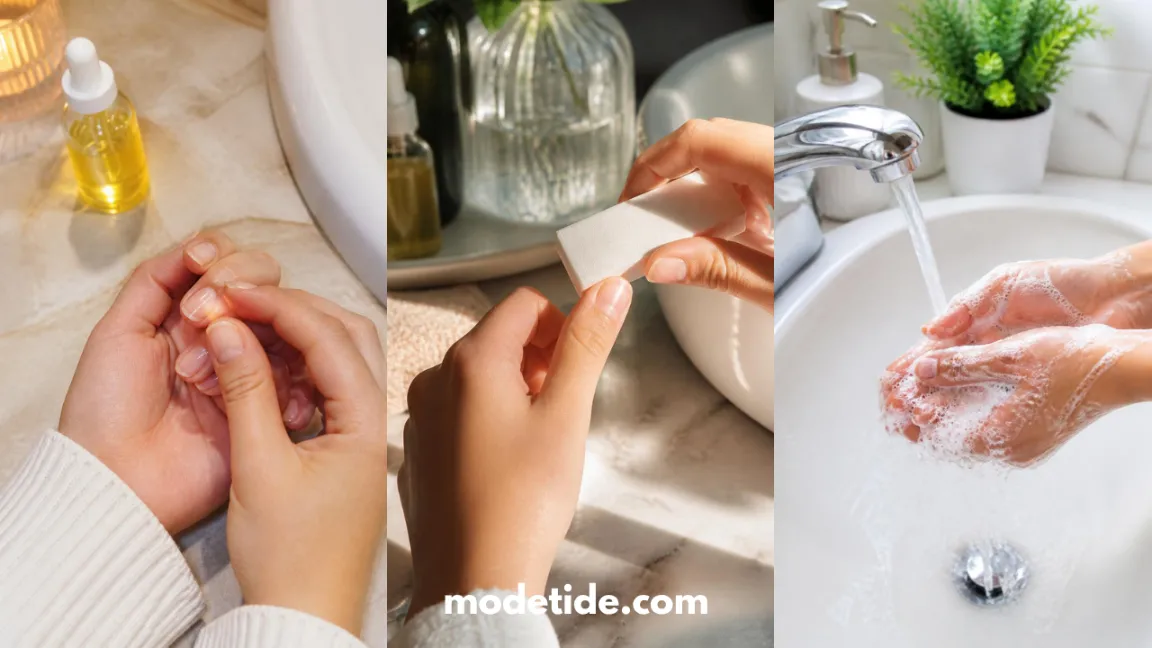
You loved your chrome manicure right up until it was time to take it off — and now you’re staring at your nails wondering how to remove chrome nail powder without scraping your natural nail down to nothing.
It’s a fair worry. Chrome powder sits under a hard top coat, which means the usual peel-it-off trick people use on regular polish doesn’t work here, and forcing it almost always ends in thin, flaking nails.
The good news is that removing chrome powder safely comes down to one thing: softening it with acetone instead of scraping it.
Once the top coat is broken and the acetone has time to work underneath, the whole design lifts off with barely any pressure.
This guide walks you through that exact process, start to finish, using tools you likely already have in a bathroom drawer.
Plan on **25 to 30 minutes** total, though most of that is spent sitting still while the acetone does the work.
It’s a beginner-friendly project — no salon visit, no special tools, only patience and the right order of steps.
- 100% pure acetone
- Cotton pads or cotton balls
- Small squares of aluminum foil
- Fine-grit buffer block
- 180–240 grit nail file
- Wooden or rubber cuticle stick
- Cuticle oil
- Hand towel
- Petroleum jelly (optional)
- Gather your removal supplies
- Trim and file down to length
- Buff away the top coat’s shine
- Soak cotton pads in pure acetone
- Press a soaked pad onto each nail
- Wrap every nail in foil
- Let the chrome sit and loosen
- Wipe away the softened powder
- Buff off any leftover residue
- Wash hands and rinse away acetone
- Restore moisture with cuticle oil
Step 1 — Gather Your Removal Supplies First
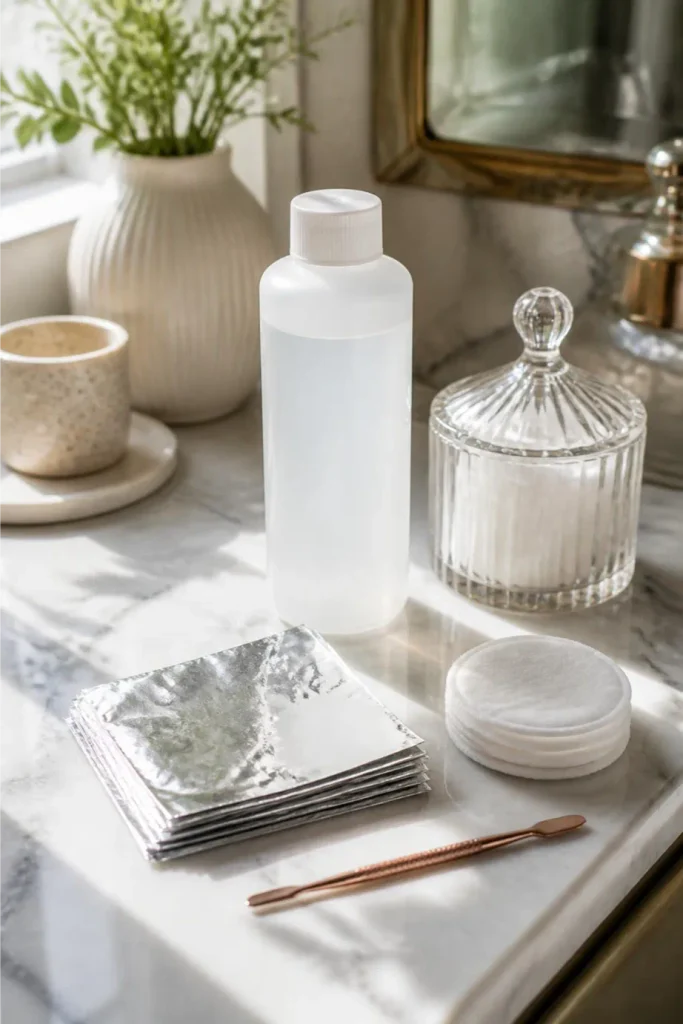
Line everything up before you touch a single nail — once the acetone soak starts, you don’t want to be digging through drawers with wet cotton on your fingers.
You’ll need **100% pure acetone** (not the moisturizing kind, which won’t break down chrome fast enough), cotton pads, foil squares, a buffer block, and a wooden cuticle stick.
Petroleum jelly around your cuticles is optional, but it helps if your skin dries out easily.
Step 2 — Trim and File Down to a Comfortable Length
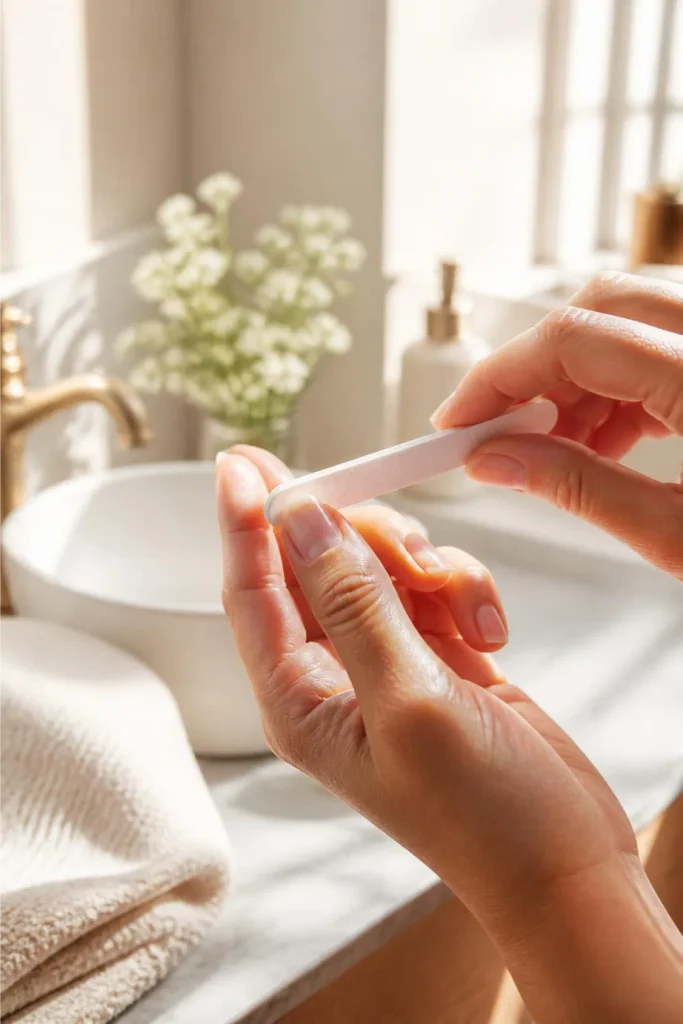
Shorter nails soak faster because there’s less surface for the acetone to work through. If your nails feel too long right now, take them down with a **180–240 grit** file, moving in one direction with each stroke rather than sawing back and forth.
This step is optional — skip it if your current length is already comfortable.
Step 3 — Buff Away the Top Coat’s Shine
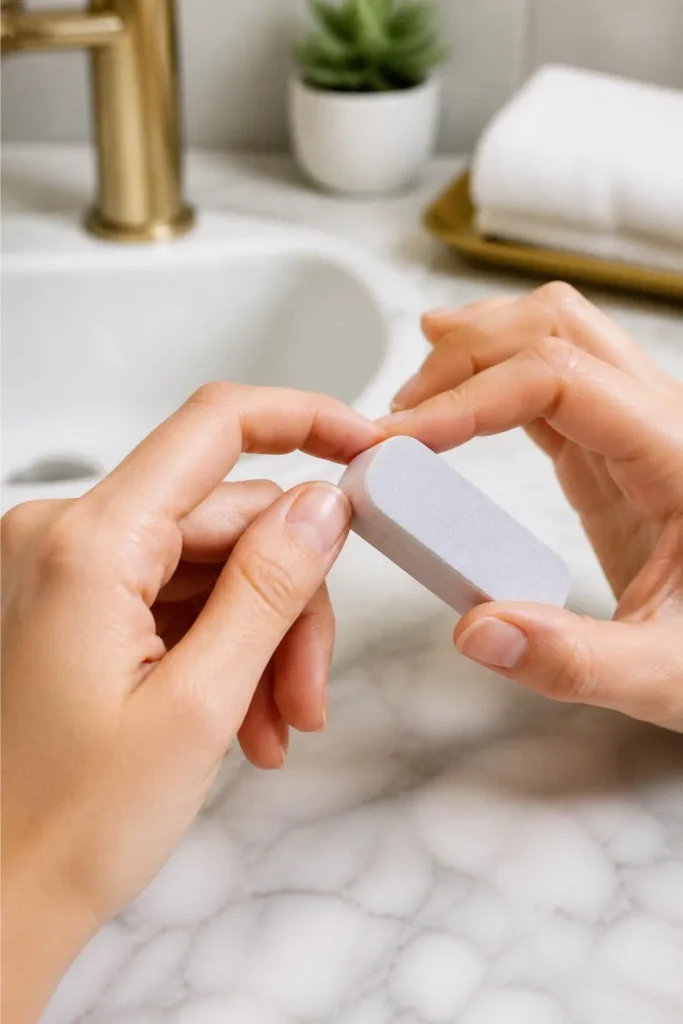
Chrome powder sits under a glossy top coat, and that seal is exactly what keeps acetone from soaking through.
Using a fine-grit buffer block, scuff the shiny surface of each nail with **10 to 15 light passes** until it looks matte and dull. Press gently.
You’re breaking the seal, not sanding down the nail itself — pressing too hard here is the fastest way to thin your natural nail before the acetone even gets a chance to work.
Step 4 — Soak Cotton Pads in Pure Acetone
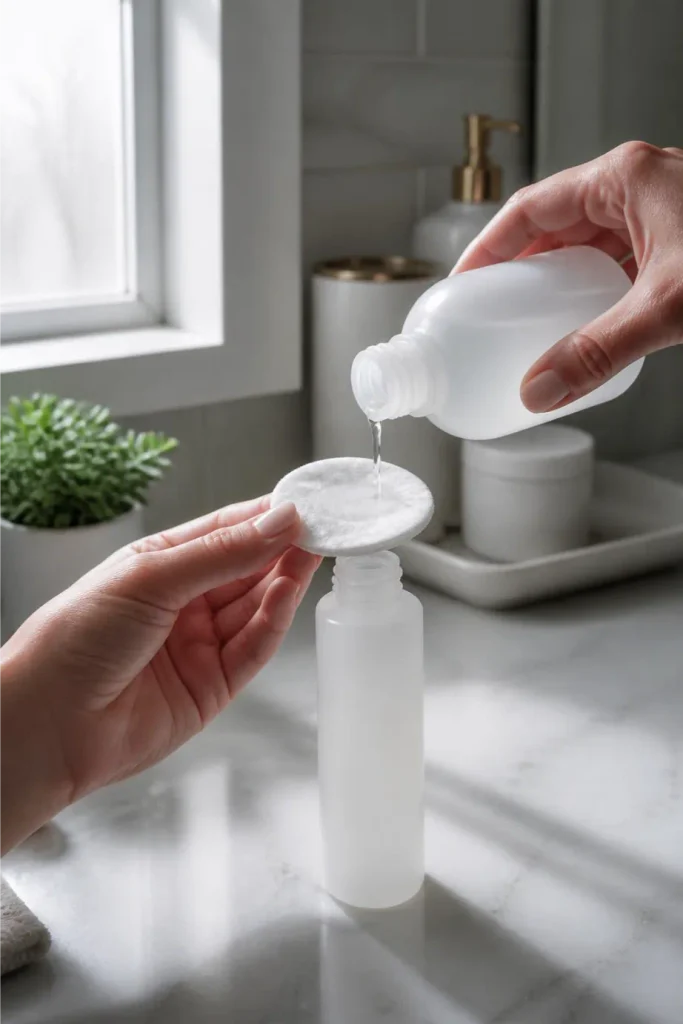
Two cotton pads, cut into quarters, give you enough for one nail each with a spare or two.
Soak each square until it’s fully wet, not just damp — a dry patch means less acetone reaches the chrome later on.
Keep the acetone bottle within reach so you can top off a pad that starts drying out before you finish the next two steps.
Step 5 — Press a Soaked Pad Onto Each Nail
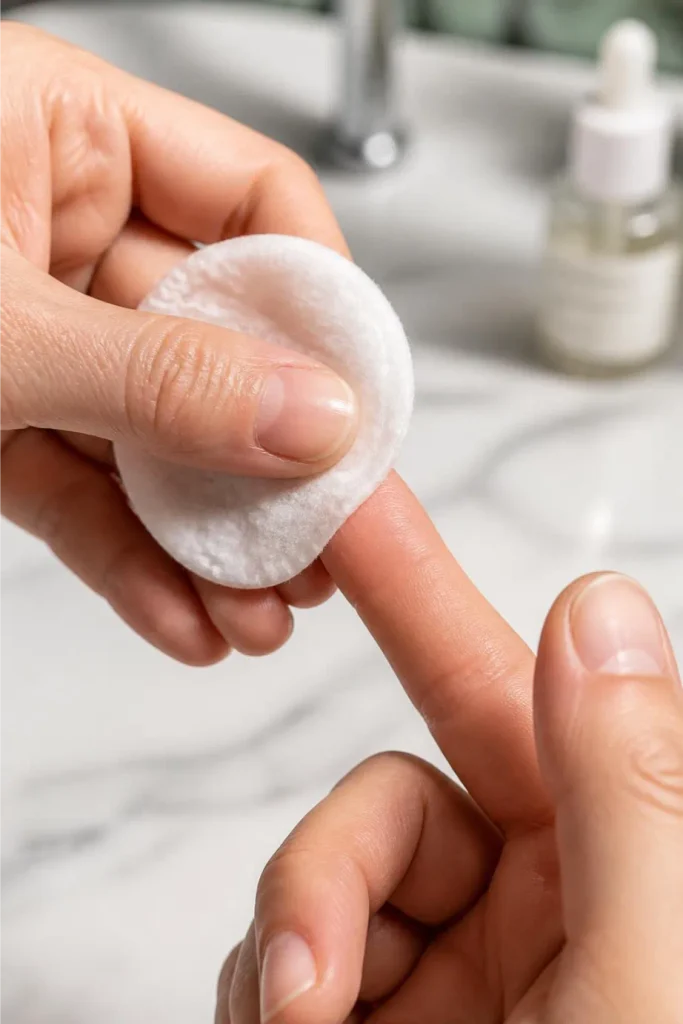
One nail at a time, lay a soaked pad flat against the nail bed and hold it there with your thumb for a few seconds until it stays in place on its own. Full contact matters — no gaps, no pad hanging off the edge where acetone can’t reach.
Move through all **ten nails** quickly, since acetone starts evaporating the moment it’s exposed to open air.
Step 6 — Wrap Every Nail in Foil
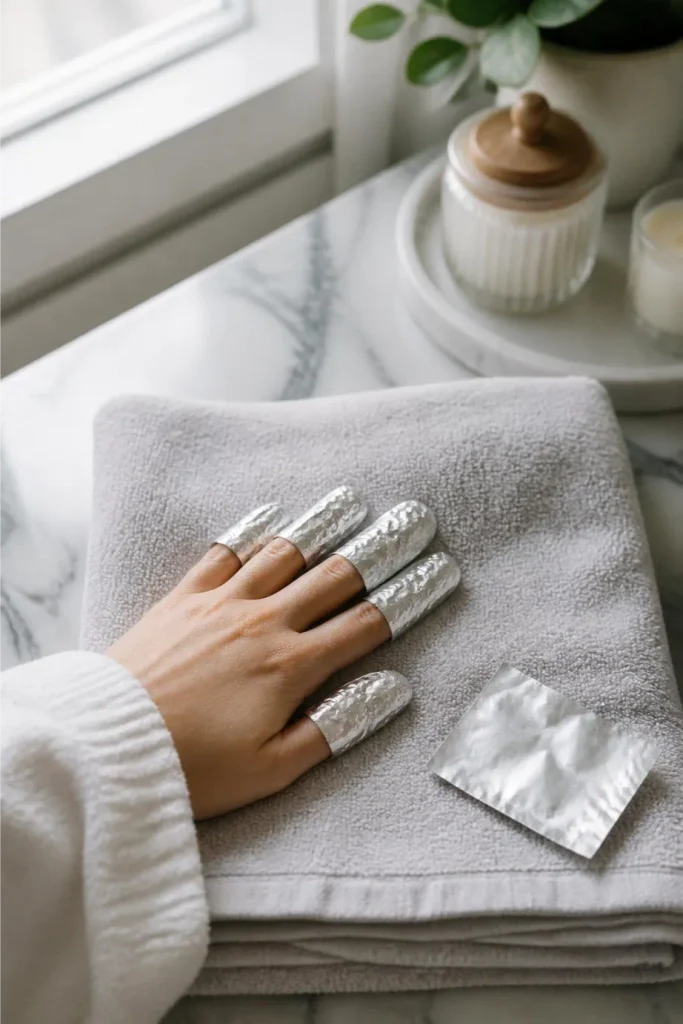
Foil does two jobs here: it traps the acetone against the nail so it can’t evaporate, and it holds in a little body heat, which speeds up the whole soak. For each finger:
– Tear a **2-inch** square of foil
– Fold it in half around the fingertip
– Press the seam snug against the cotton pad
– Fold the top edge under so it can’t slip loose
Once all ten fingers are wrapped, rest your hands in your lap and set a timer.
Step 7 — Let the Chrome Sit and Loosen

**Ten to fifteen minutes** is the sweet spot — long enough for the acetone to fully break down the chrome and the top coat underneath, short enough that your skin doesn’t dry out more than necessary.
Resist the urge to check at the five-minute mark. Peeling back the foil early just lets the vapor escape and slows everything down.
Step 8 — Wipe Away the Softened Powder
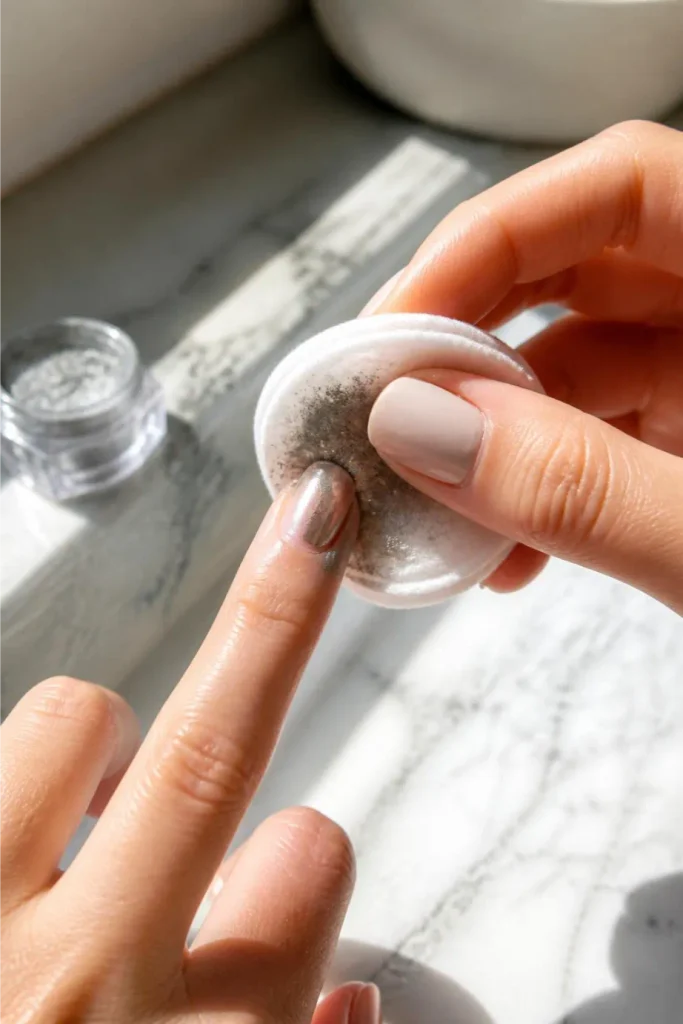
When the timer goes off, unwrap one finger at a time rather than all ten at once, so the rest stay sealed and soaking a little longer.
Use the cotton pad still stuck to the nail to wipe downward toward the tip in one motion.
Most of the chrome and top coat should come away on the pad itself. Anything left behind will feel soft and slightly sticky, not hard — that softness means it’s ready to lift, not scrub.
Step 9 — Buff Off Any Leftover Residue
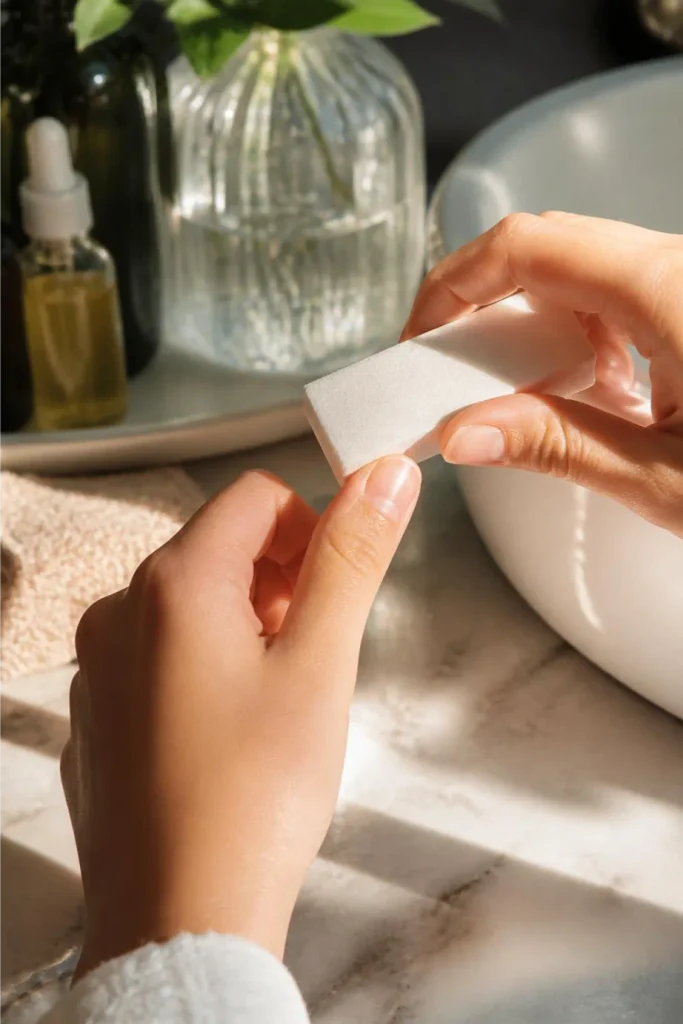
A faint gray or shimmery haze often stays behind even after wiping, especially near the cuticle.
Glide your buffer block over each nail with **light, short strokes** until the surface feels smooth under your fingertip.
If a spot won’t budge, it’s not ready — re-soak that one nail for another **five minutes** rather than pushing the buffer harder.
Step 10 — Wash Your Hands and Rinse Away Acetone
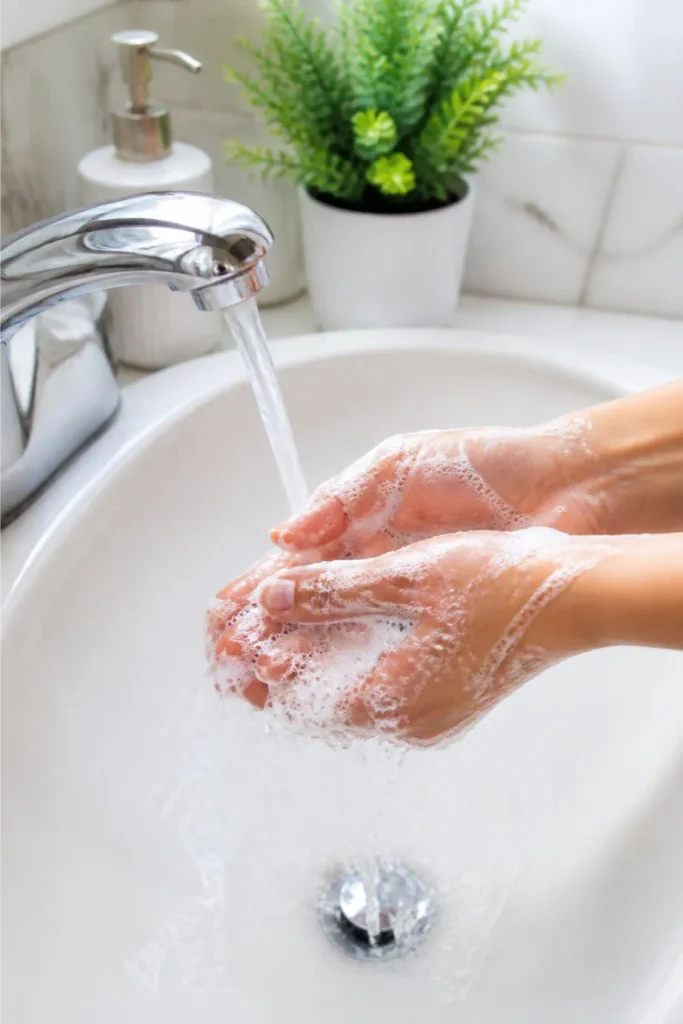
Acetone left on your skin dries it out fast, so don’t skip this even if your nails look done.
Wash both hands with soap and warm water for a full **30 seconds**, working the lather between fingers where residue tends to hide.
Pat dry with a towel instead of rubbing — rubbing right after a soak can irritate skin that’s already been exposed to acetone for ten-plus minutes.
Step 11 — Restore Moisture With Cuticle Oil
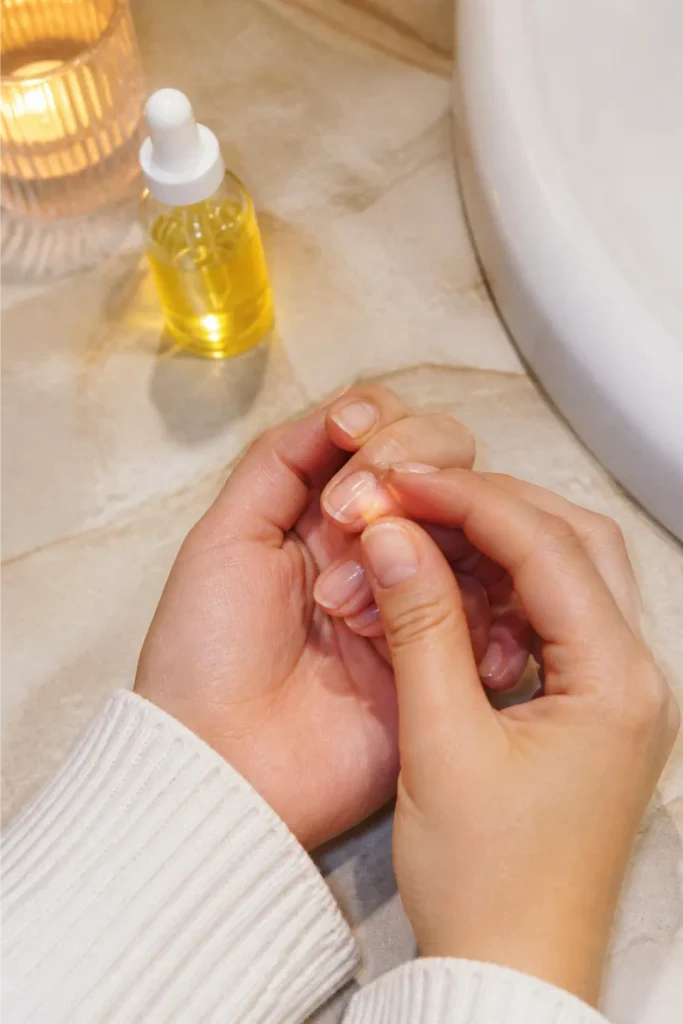
Your nails have just spent over ten minutes soaking in a solvent that strips natural oils along with the chrome, so this step isn’t optional. Massage a drop of cuticle oil into each nail bed and the surrounding skin, working it in for **20 to 30 seconds** per hand. If your nails look thin or feel especially dry afterward, that’s your body signaling it needs a break before your next manicure.
- Gather supplies
- Trim and file (optional)
- Buff away top coat shine
- Soak cotton pads in acetone
- Press a pad onto each nail
- Wrap every nail in foil
- Wait 10–15 minutes
- Wipe away softened powder
- Buff off leftover residue
- Wash hands, rinse acetone
- Restore moisture with cuticle oil
Conclusion
Your nails are clean, bare, and free of chrome — no scraped ridges, no thin spots, just a soft matte surface ready for whatever comes next. That’s what happens when you let acetone do the work instead of a metal tool.
Give your nails a day or two to rehydrate before your next set, especially if this is how you learned to remove chrome nail powder for the first time. Keep that cuticle oil nearby; it’s doing more for your next manicure than you’d think.
Save this guide to your nail care board so it’s ready the next time your chrome mani needs to come off.