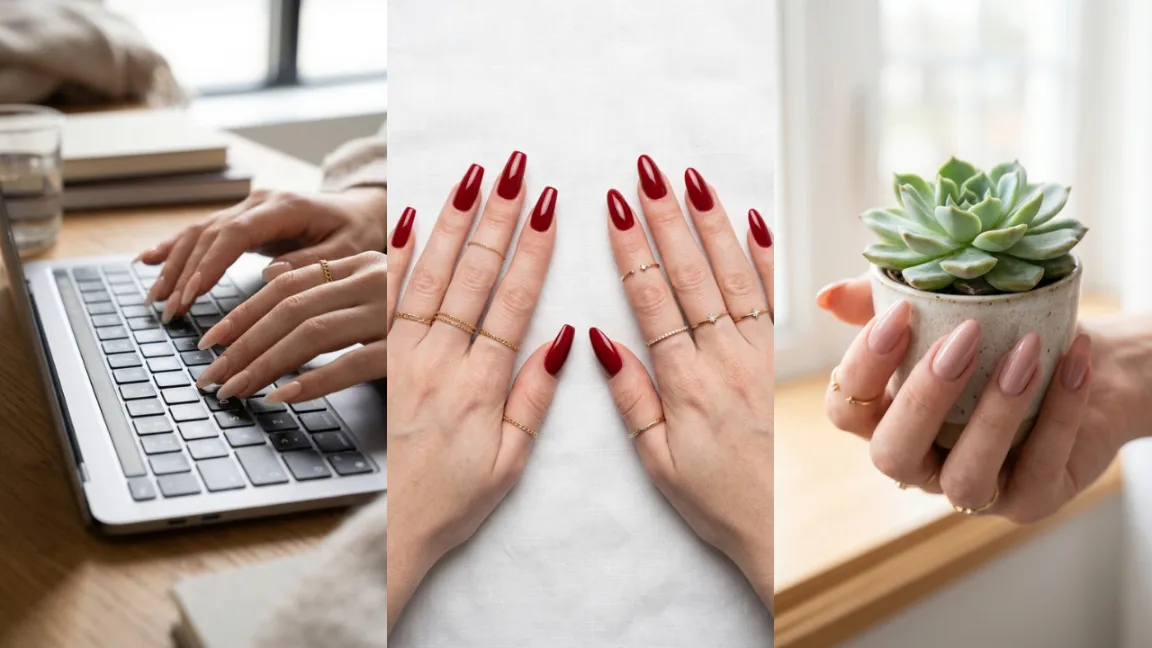
If you saved a pin comparing coffin vs almond nails, you’re probably staring at your own hands right now trying to picture which shape actually suits you.
Both shapes photograph beautifully on Pinterest, but they behave very differently once you’re living your daily life with them — one holds up under real pressure far better than most people expect, and it’s not the one you’d guess.
Coffin nails have a flat, squared-off tip with tapered sides, while almond nails curve into a rounded point that mirrors the natural almond shape.
By the end of this guide, you’ll know exactly which one fits your hands, your daily habits, and your natural nail strength.
Jump to Section
Quick Verdict
Overall Winner
Almond Nails
Best for Everyday Wear
Almond Nails
Best for Dramatic Style
Coffin Nails
…but the reason almond wins overall has less to do with looks and more to do with something most people don’t check until it’s too late — the full breakdown is below.
| Criteria | Coffin Nails | Almond Nails |
|---|---|---|
| Shape | Flat, squared tip, tapered sides | Rounded, tapered point |
| Length Needed | Minimum ½ inch past fingertip | Works from ¼ inch up |
| Breakage Risk | Higher — sharp corners catch | Lower — rounded edges resist snapping |
| Upkeep | Fill every 2–3 weeks, corners need reshaping | Fill every 3 weeks, easier to maintain |
| Typing/Daily Use | Flat tip can click on keys | Curved tip glides more naturally |
| Best Hand Match | Wider fingers, square nail beds | Most hand shapes, slender fingers especially |
1. What Are Coffin Nails?
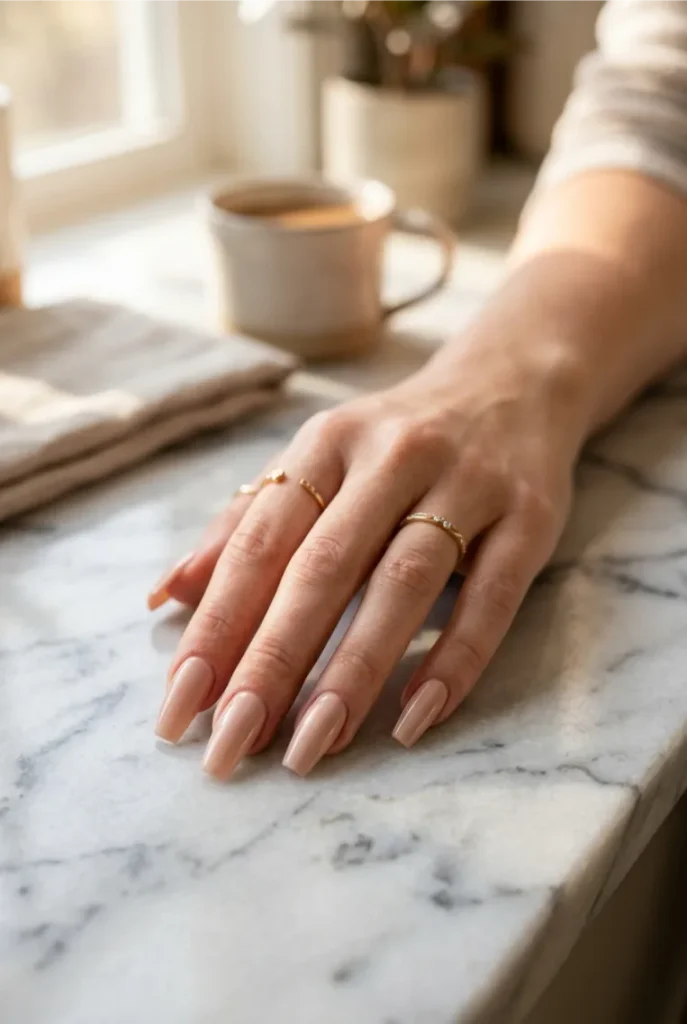
Coffin nails (also called ballerina nails) taper in from the sides and end in a flat, straight-across tip instead of a point — the shape resembles a narrow casket, which is where the name comes from.
This shape gives the nail a long, elegant look and works especially well as a canvas for bold nail art since the flat tip offers more surface area.
It’s a shape that’s built for showing off, not necessarily for surviving a full workday of typing.
2. What Are Almond Nails?
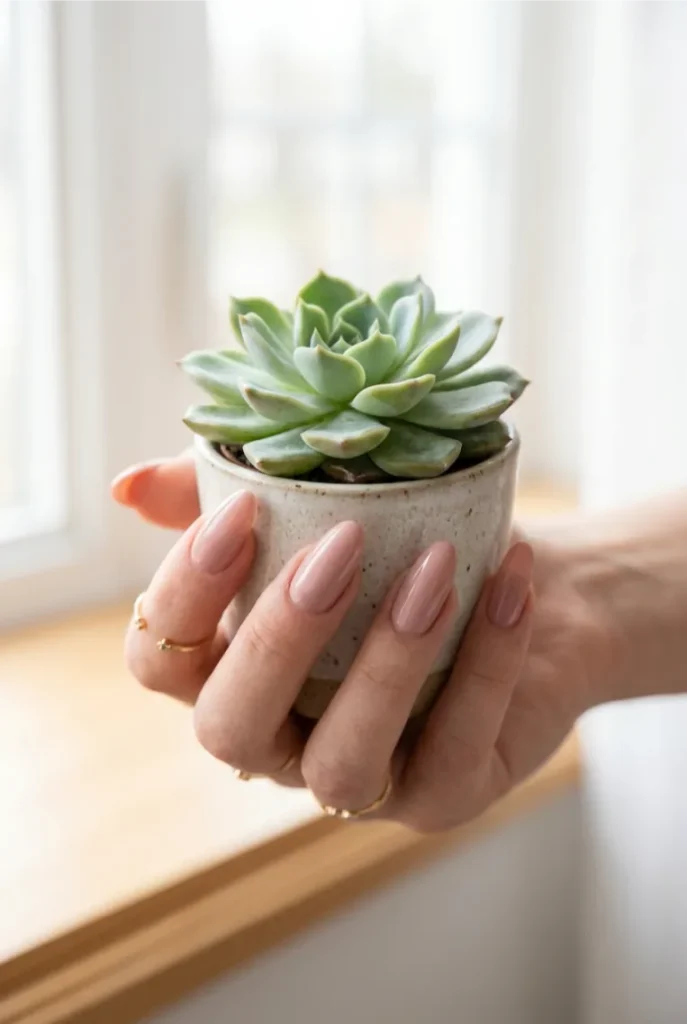
Almond nails taper into a soft, rounded point at the tip, similar to the shape of the actual nut.
The sides narrow gradually rather than cutting in sharply, which is the main reason this shape tends to resist chipping better than sharper alternatives. It reads as polished and feminine without looking as dramatic or done up as coffin shape, which is part of why it’s become the go-to pick for people who want their nails to survive daily life.
Keep Reading
3. Shape & Silhouette: Which Looks More Dramatic
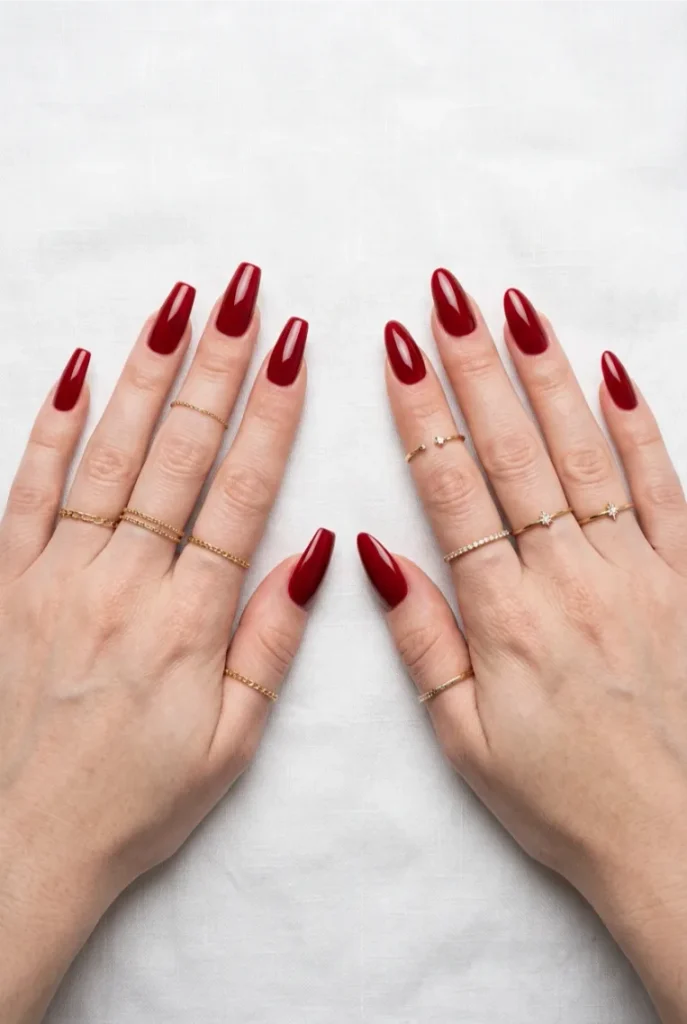
A flat tip reads as bold the moment you glance down at your hand — that’s the effect coffin shape is built for.
The straight-across edge widens the visible nail bed, which makes it the better canvas for intricate art, ombre fades, or anything you want to photograph up close.
It’s the shape most nail influencers reach for when the look itself is the whole point.
Almond shape does the opposite: it narrows attention toward the fingertip and makes hands look longer and slimmer without adding length.
Coffin wins on drama and art canvas space; almond wins on making your hands look naturally elegant. If your priority is a statement look for one event, go coffin. If you want every day to look polished, almond pulls ahead here.
4. Nail Length Required: Which One Demands More Growth
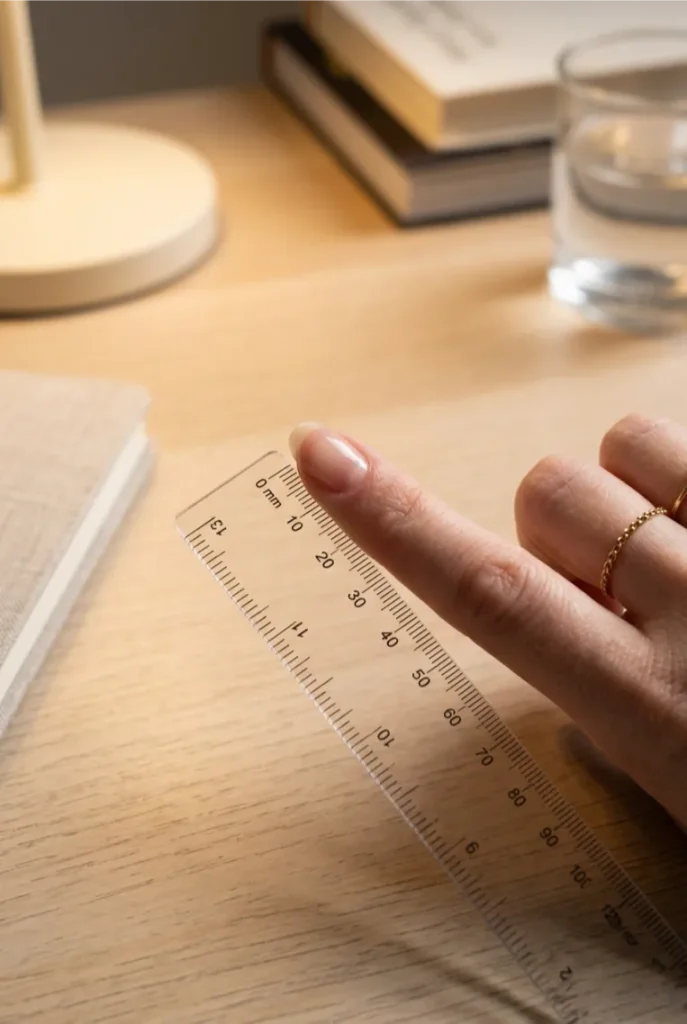
Coffin shape needs real length to work.
Cut it too short and the flat tip disappears, leaving something closer to a square — the whole visual point of the shape is lost under about half an inch of extension past the fingertip.
This is the single biggest reason people quit coffin shape within a month: their natural nails simply aren’t growing fast enough to keep the look intact between fills.
Almond shape is far more forgiving. Because the taper does the visual work rather than the tip length, it holds its shape at a quarter inch or even shorter.
Almond wins decisively here — it’s the realistic choice if your natural nails grow slowly or you’re not ready to commit to acrylic extensions.
Head-to-Head: Which Snaps First
Press a coffin nail’s flat corner against a car door, a keyboard, or a tight jean pocket, and that 90-degree edge takes the full impact — it’s the first point to chip or crack clean off. Almond’s rounded edge distributes that same pressure across a curve instead of a corner, which is why almond nails typically last 3–5 days longer between accidental breaks in daily testing.
5. Durability & Breakage Risk: Which Cracks First
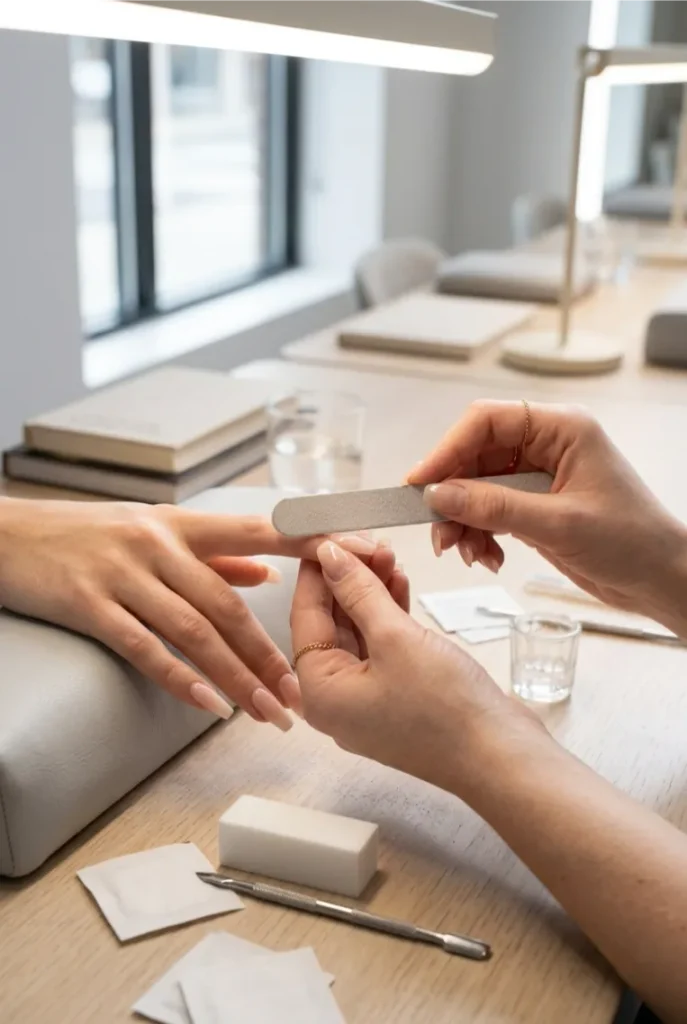
Sharp corners are structurally weaker than curves — that’s just physics, not opinion.
Every coffin nail has two of those sharp corners sitting right where your fingertip makes contact with the world dozens of times a day: doorknobs, phone cases, zippers.
Each contact is a small stress test the corner has to survive.
Almond wins on durability, no real debate here. That said, coffin shape isn’t fragile if you’re gentle with your hands or work a desk job with minimal hands-on tasks — the breakage risk is about lifestyle friction, not just the shape itself.
6. Maintenance & Upkeep: Which Needs More Salon Visits
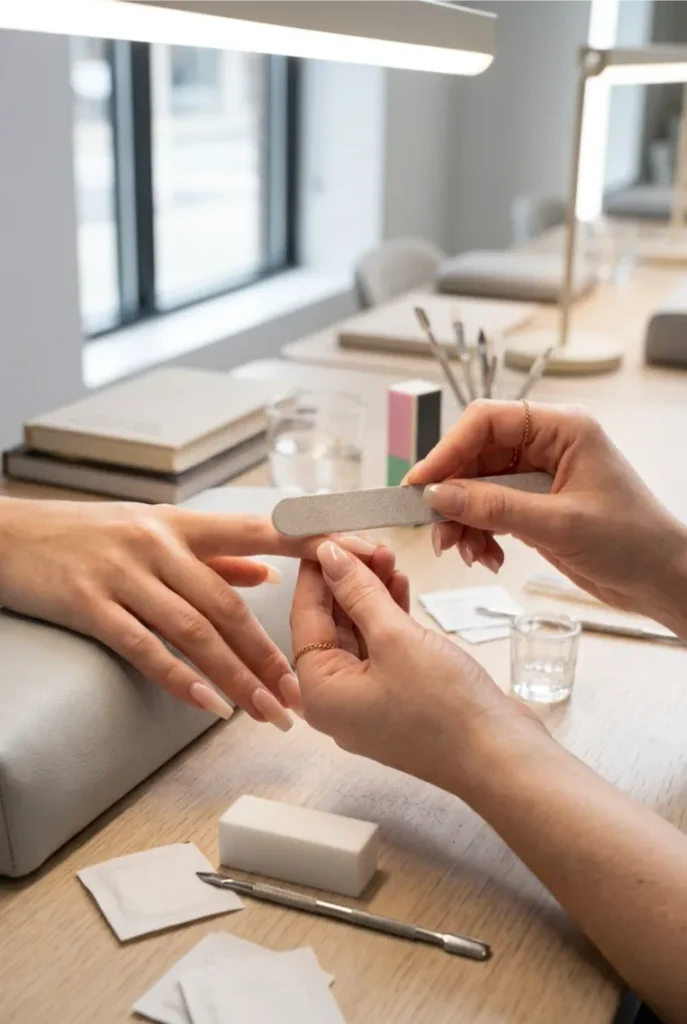
How often are you actually willing to sit in a salon chair? That’s the real question here, not which shape looks better on day one.
Coffin nails need reshaping at every fill because the flat tip and sharp corners grow out unevenly — skip a fill past 3 weeks and the corners start looking blunted and off-balance.
Almond shape grows out more gracefully since the taper hides uneven growth for longer, which is why most techs can stretch almond fills closer to the 3-week mark without the shape looking obviously overdue.
Almond wins on upkeep, but only by a margin — neither shape is a “set it and forget it” choice.
7. Everyday Practicality: Typing, Texting, Daily Tasks

Picture typing a full workday email on a keyboard with a flat, squared-off tip — that click against every key isn’t in your imagination, it’s the shape itself making contact at an angle fingernails weren’t designed for.
Coffin’s flat tip also snags more often on fabric, phone cases, and drawstrings simply because there’s more surface area to catch.
Head-to-Head: The Typing Test
In casual side-by-side wear tests, people typing on a laptop for 2+ hours a day reported noticeably more tip-clicking and snagging with coffin shape than with almond. Almond’s curve lets the pad of the finger absorb the contact instead of the nail edge.
Almond wins on daily practicality, especially if you type, text, or do detail work with your hands for a living. Coffin shape works better for people whose days involve less hands-on friction.
8. Best Hand/Finger Shape Match
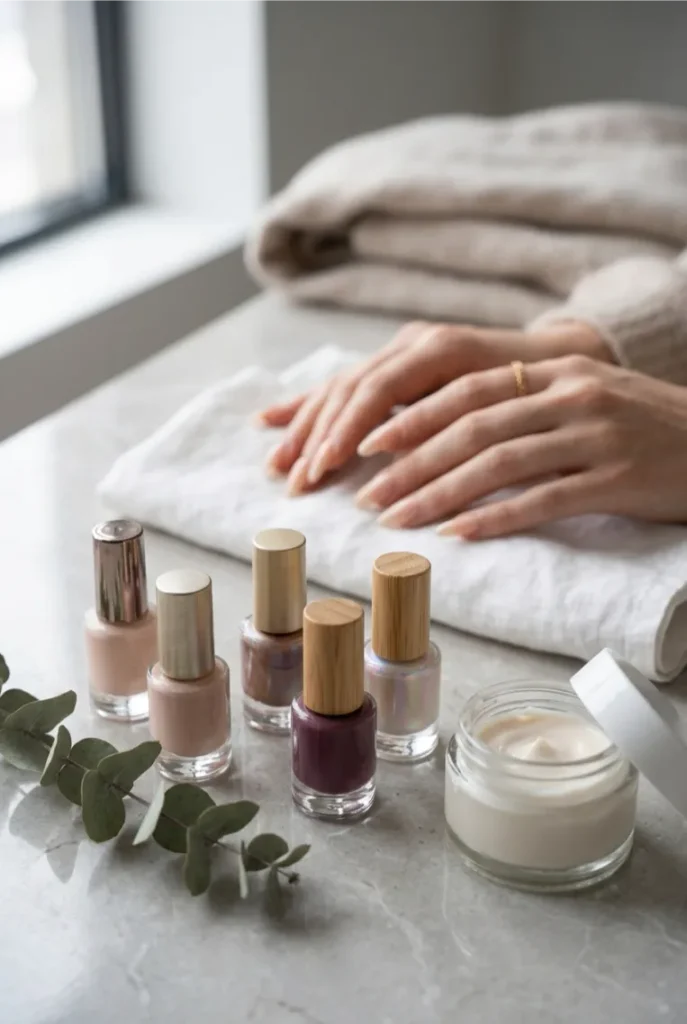
You don’t need to change your shape choice based on your hands — but it helps to know which one flatters what you’ve got.
Wider fingers or square nail beds tend to look more balanced with coffin’s straight tip, since it visually elongates a shorter, wider nail bed.
Slender or naturally tapered fingers already lean toward almond’s silhouette, so the shape tends to look like an extension of the finger rather than an add-on.
Neither shape is objectively better here — this is the one criterion where personal hand shape matters more than the shape’s overall performance.
Pros & Cons
Coffin Nails
Pros
- Flat tip = bigger canvas for nail art
- Elongates wider or square nail beds
- Reads as bold, editorial, statement-making
Cons
- Needs at least ½ inch of length to hold shape
- Sharp corners chip and snag more
- Fills needed every 2–3 weeks, sooner if corners blunt
Almond Nails
Pros
- Holds shape from just ¼ inch of length
- Rounded edge resists chipping and snagging
- Comfortable for typing, texting, daily tasks
Cons
- Less surface area for detailed nail art
- Can look plain without added color or design
- Doesn’t dramatically elongate wider nail beds
Choose This If…
Choose coffin nails if you type or work with your hands rarely, your natural nails grow fast, and you want a bold, editorial look for a specific event or photo.
Choose almond nails if you’re on a keyboard or phone all day, your nails grow slowly, or you just want a shape that survives a full week without babying it.
Heads Up
If your natural nails are thin or peel easily, coffin shape can make breakage worse — the flat tip has less structural support at the exact point where thin nails are already weakest. Ask your tech about a slightly rounded “soft coffin” tip instead of a hard 90-degree corner if you have this nail type.
FAQ
Which shape lasts longer without breaking?
Almond nails typically last longer between breaks because the rounded edge distributes pressure instead of concentrating it at a sharp corner.
Can I switch from coffin to almond without cutting all my length off?
Yes — a nail tech can round off the corners and taper the tip into almond shape in one appointment without losing significant length.
Is coffin shape only for acrylics?
No, but it’s much easier to achieve and maintain with acrylic or gel extensions since natural nails rarely grow long enough on their own to hold the flat tip.
Does almond shape work on short nails?
Yes — almond is one of the few shapes that holds its silhouette even at a quarter inch of length, which is why it’s popular for people who don’t want extensions.
Which shape is more expensive to maintain?
Coffin usually costs a bit more over time since it needs fills closer to every two weeks; almond can often stretch to three.
Final Verdict: Coffin vs Almond Nails
For most people, almond nails win overall — they hold up better against daily bumps, need less length to look finished, and stay easier to live with between fills.
Pick Coffin If
You want a bold, dramatic look and your nails grow fast
Pick Almond If
You use your hands all day and want low-maintenance durability
Keep Reading
Final Thoughts
Neither shape is “wrong” — coffin and almond nails are built for different priorities, and now you know exactly which one matches yours.
If your days involve a lot of typing, texting, or hands-on work, almond will treat you better in the long run.
If you want a look that turns heads for a special occasion and your nails grow quickly, coffin still earns its place.
Whichever you land on, save this pin so you have the comparison handy the next time you’re sitting in the nail chair second-guessing yourself. And if you decide to try coffin, make sure to check the length requirement above first — that one detail is what makes or breaks the shape.