
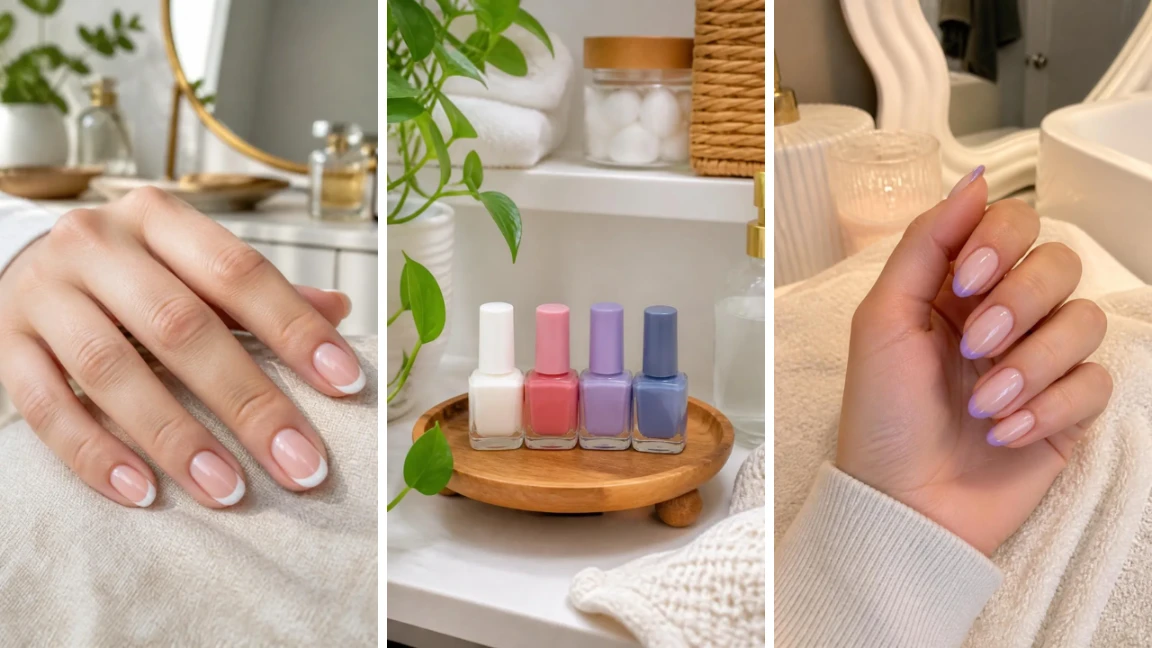
Standing at the nail counter trying to decide between classic white tips and colored french tips is its own special kind of stuck — both photograph beautifully, both get saved to the same Pinterest boards, and both promise to be “the” style.
If you bookmarked this because you genuinely can’t choose between the two, you’re in the right place.
This guide puts white tips vs colored french tips head-to-head across six real, practical criteria: how versatile each one is for everyday outfits, how easy each is to do yourself at home, how long each actually holds up before chipping, what each costs over a month, how many style options you get, and — the one most people never think about — how each looks against different skin tones.
There’s a specific skin-tone detail that quietly makes one style look salon-expensive and the other look slightly off in photos; that’s coming further down, so keep scrolling.
By the time you reach the end, you won’t be stuck with a vague “it depends.” You’ll have one clear answer for your hands, your budget, and your week.
Jump to:
Overall Winner
Classic White Tips
Easiest DIY
Classic White Tips
Best for Bold Looks
Colored French Tips
…but the reason why matters more than the ranking — including the one skin-tone factor that could flip this decision for you. Here’s the full breakdown.
What Are Classic White Tips? {#classic-white-tips}
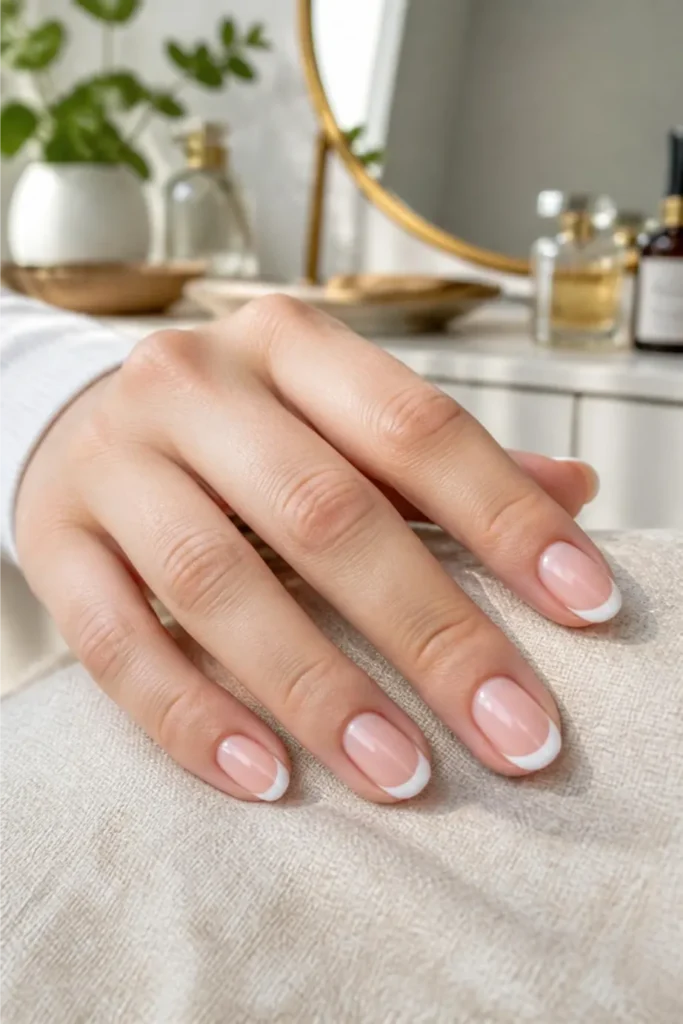
Classic white tips are the traditional French manicure look: a clear or soft pink base with a solid white line painted along the tip of the nail.
The style started in salons decades ago and has stuck around because it reads as clean and professional in almost any setting.
You can get it with regular polish, gel, or pre-made tip extensions, and the white line is usually kept a consistent width across every nail for that put-together finish.
What Are Colored French Tips? {#colored-french-tips}
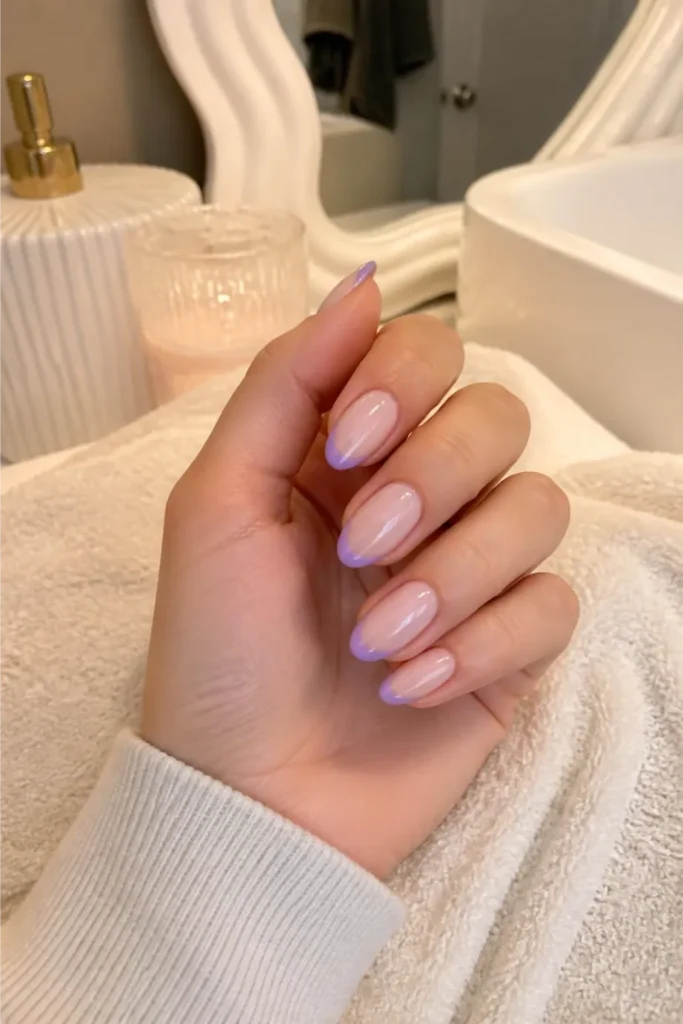
Colored french tips swap the classic white line for a colored one — lilac, chrome, black, even a tiny design like hearts at the tip.
The base and shape stay the same as a traditional manicure, but the tip color is where you experiment.
It’s the French manicure format used as a canvas for trend colors, so the classic structure is still there — just personalized.
Versatility: Which Works With More Outfits? {#versatility}

A white-tip manicure survives outfit changes without a second thought — pair it with a work blazer on Monday and a sundress on Saturday, and it still looks intentional both times.
Colored tips pull attention toward whatever shade you picked, so a hot-pink tip can clash with an outfit built around cooler tones.
Classic white tips win here because the color stays neutral no matter what you’re wearing, while colored tips ask you to plan your manicure around your wardrobe instead of the other way around.
Ease of Application: Which Is Easier to DIY? {#ease-of-application}
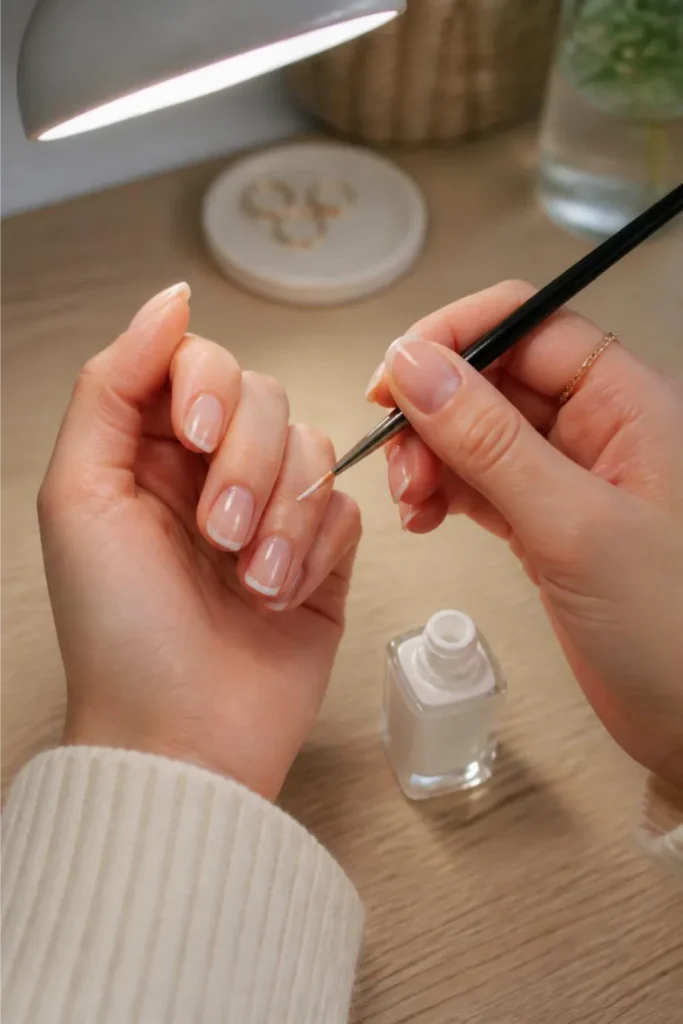
White tips have one job: paint a straight, even line in a single color. Most beginners can manage that with a guide sticker or a steady brush after two or three tries.
Colored french tips add a second decision — matching the shade you actually own to a color that works, then blending it cleanly at the smile line without streaking.
Classic white tips are easier for a first attempt, since there’s no color-matching step to get wrong.
Longevity: Which Lasts Longer Without Chipping? {#longevity}
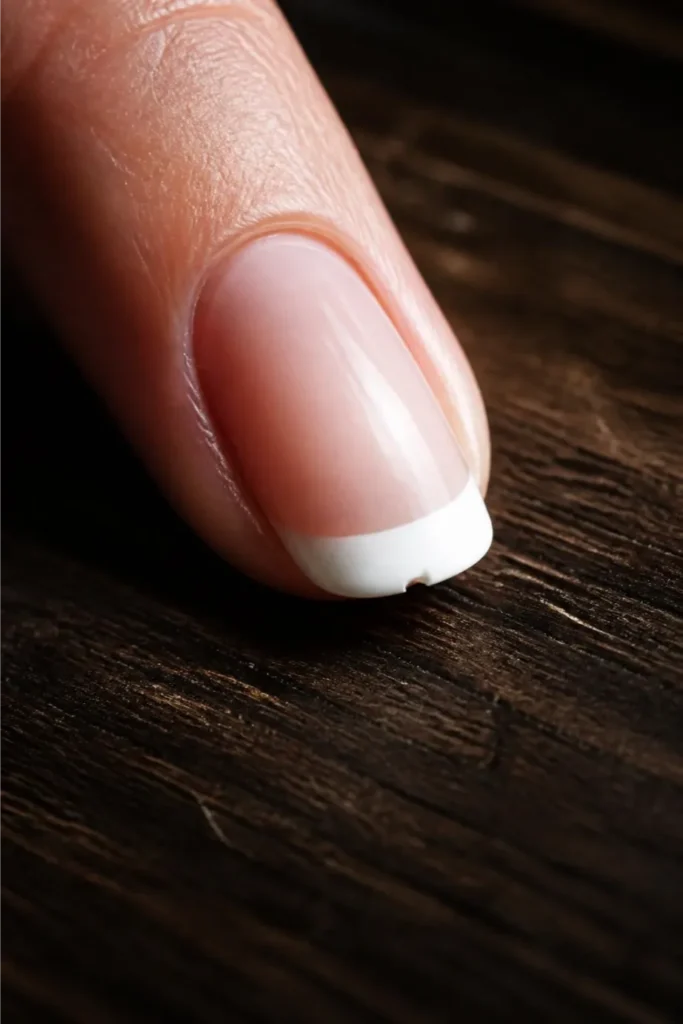
White polish tips typically hold their edge for 10 to 14 days before the tip line starts looking worn.
Colored tips, especially in darker or metallic shades, tend to show wear closer to the 7 to 10 day mark — because contrast makes even a tiny nick obvious against saturated color.
Classic white tips last longer visually, even when the actual polish wear rate is similar, since small chips blend into a white line far more than they do into a colored one.
Head-to-Head: Chip Visibility
A small chip on a white tip is barely noticeable from a normal conversational distance. The same chip on a black or chrome tip catches light and stands out within a day or two — so if a mid-week touch-up isn’t in your plans, white tips forgive more.
Keep Reading
Cost: Which Costs Less Over Time? {#cost}
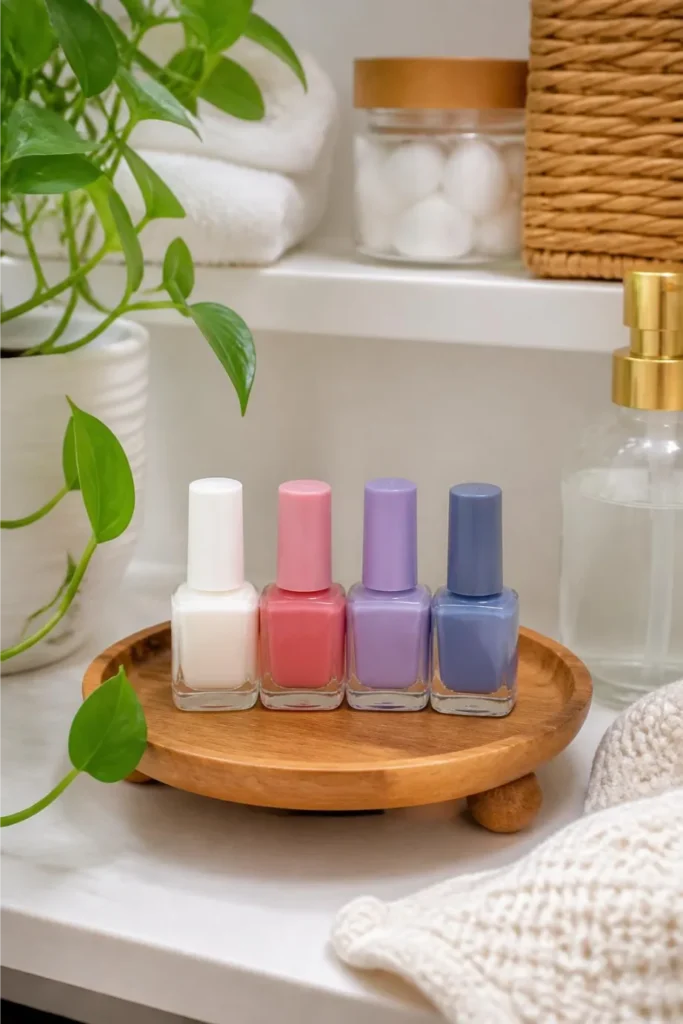
$12 to $18 covers a full month of at-home white tips — one bottle of white polish and one clear topcoat, both of which last through several manicures.
Colored french tips run $20 to $30 a month once you factor in owning multiple shades, since one color rarely covers every mood or outfit.
Classic white tips are the cheaper habit long-term, mostly because you’re not restocking a color collection every time a trend shifts.
Style Variety: Which Gives You More Options? {#style-variety}
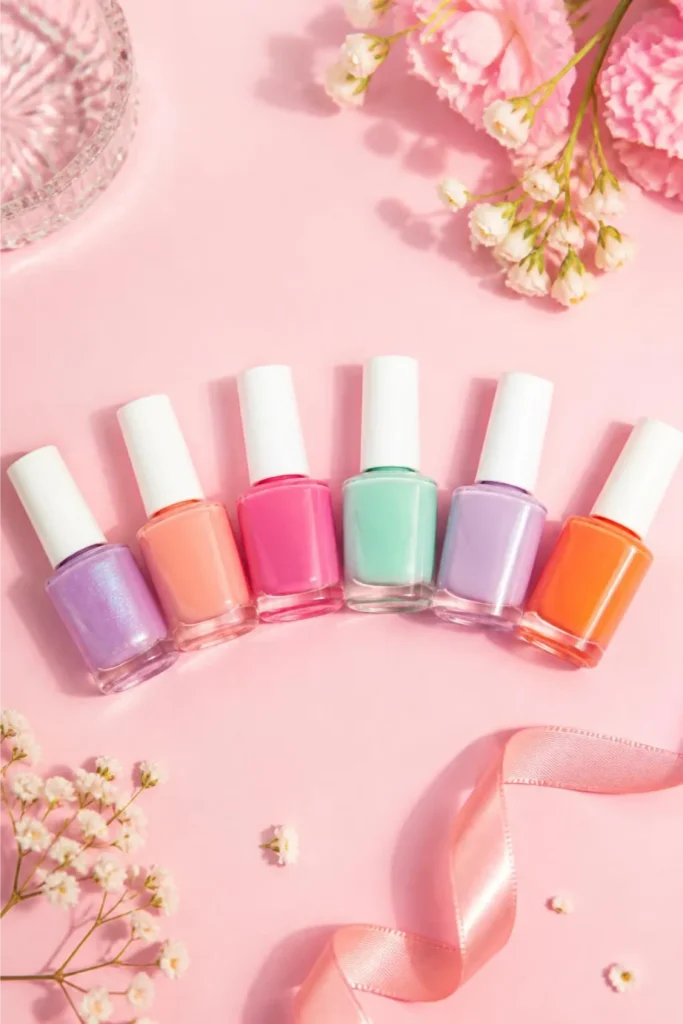
Bored of the same look yet? That’s the one place colored tips pull ahead. A single base manicure can become dozens of different looks just by swapping the tip color — lilac for spring, chrome for a night out, black for fall. White tips give you exactly one look, done well.
Colored french tips win on variety, hands down, if getting tired of the same manicure is your actual complaint.
Skin Tone: Which Complements More Skin Tones? {#skin-tone}
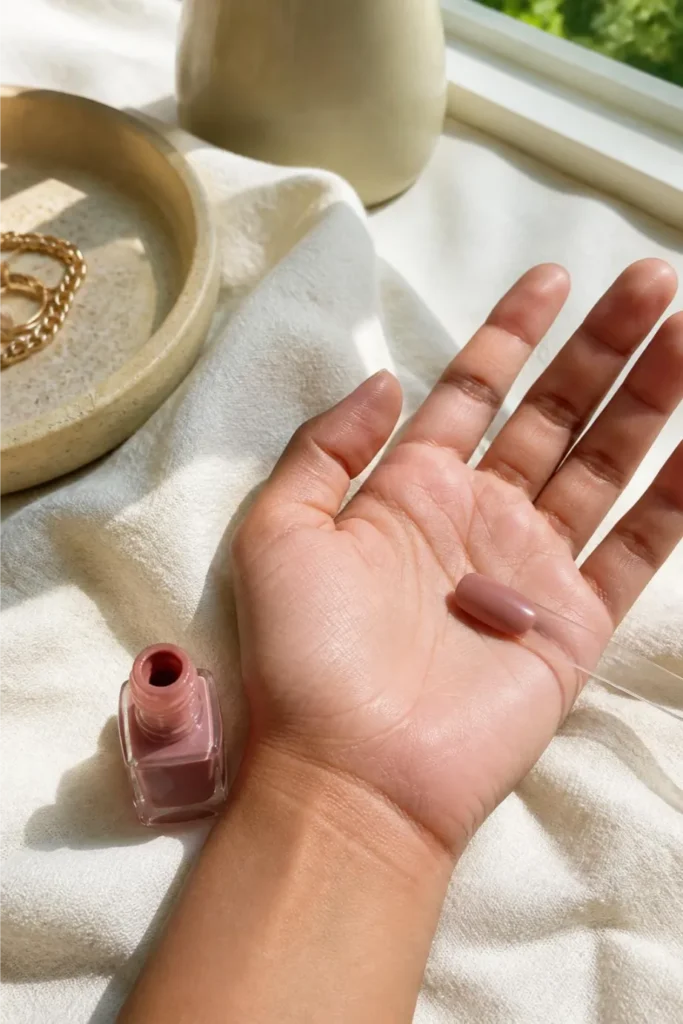
This is the detail from the intro. White tips sit close to the natural nail bed color on most people, so they read as clean regardless of undertone — warm, cool, or neutral.
Colored tips are pickier: a cool-toned lilac can look slightly gray against warm undertones, and a warm coral can look muddy against cool undertones.
Classic white tips complement more skin tones by default, while colored tips need the color chosen with your undertone in mind to look as intentional in person as it does in the reference photo.
Heads Up
Picking a colored tip straight off a Pinterest photo without checking it against your own undertone is the most common regret with this style. Hold the polish bottle against your palm in natural light before committing — what looks perfect on someone else’s hand can shift noticeably on yours.
Classic White Tips
Pros
- Matches nearly any outfit or occasion
- Easiest style for a true beginner to paint
- Chips are harder to notice, so it lasts 10–14 days visually
- Cheapest to maintain at $12–18 a month
Cons
- Only one look — no variation once you’re bored of it
- Can feel plain for special occasions or bold personal style
Colored French Tips
Pros
- Dozens of color and design combinations
- Easy to match a specific event, season, or mood
- Feels more personal and on-trend
Cons
- Needs more skill to blend the color line cleanly
- Wear shows faster — around 7–10 days
- Costs more since one shade rarely covers every outfit
- Wrong undertone match can look off in person
Which One Is Best for You? {#best-for}
Choose Classic White Tips if you want one manicure that works for work, weekends, and everything between — and you’d rather spend less time and money keeping it up.
Choose Classic White Tips if this is your first time doing your own manicure and you want a style that’s forgiving of small mistakes.
Choose Colored French Tips if you already have a manicure routine down and want to start matching your nails to outfits, seasons, or moods.
Choose Colored French Tips if you’re prepping for one specific event and want the manicure to feel intentional and coordinated for that day only.
FAQ
Can I do colored french tips if I’m a total beginner?
Yes, but expect a slower first attempt. Start with a lighter shade close to your natural nail color — it’s more forgiving of an uneven line than a dark or metallic tip.
Do colored tips really chip faster than white ones?
The polish itself wears at a similar rate. The difference is visibility — a small chip on white blends in, while the same chip on a saturated color stands out within a day or two.
Can I switch between the two styles each time I redo my nails?
Absolutely. Nothing about either style is permanent — many people default to white tips for everyday wear and switch to colored tips for specific events.
Which one is better for gel or dip powder?
Both work fine in gel or dip. Gel tends to hold color more vividly, so a colored gel tip lasts closer to the 10-day mark instead of the shorter regular-polish range.
How do I know which colored tip actually matches my skin tone?
Hold the polish bottle directly against your palm in daylight. If it looks slightly gray or muddy against your skin, it will look the same way on your nail tip.
Final Verdict: Classic White Tips vs Colored French Tips
Overall winner: Classic White Tips — more versatile, easier to DIY, cheaper to maintain, and forgiving of small chips.
- Go with Classic White Tips if you want one low-maintenance manicure for everyday life
- Go with Colored French Tips if you want variety and don’t mind more upkeep
- Skip colored tips without checking your undertone first — that’s the #1 regret
Keep Reading
Neither white tips vs colored french tips is the “wrong” choice — they’re just built for different weeks.
If your calendar looks the same day to day, classic white tips will save you time, money, and touch-ups without ever looking out of place.
If you’ve got an event coming up or you’re just tired of wearing the same manicure every month, colored french tips are worth the extra few minutes and dollars — just hold the shade against your palm before you commit to it. Either way, you’re not stuck guessing anymore between white tips vs colored french tips.
Save this one so you can double-check the undertone tip before your next manicure.