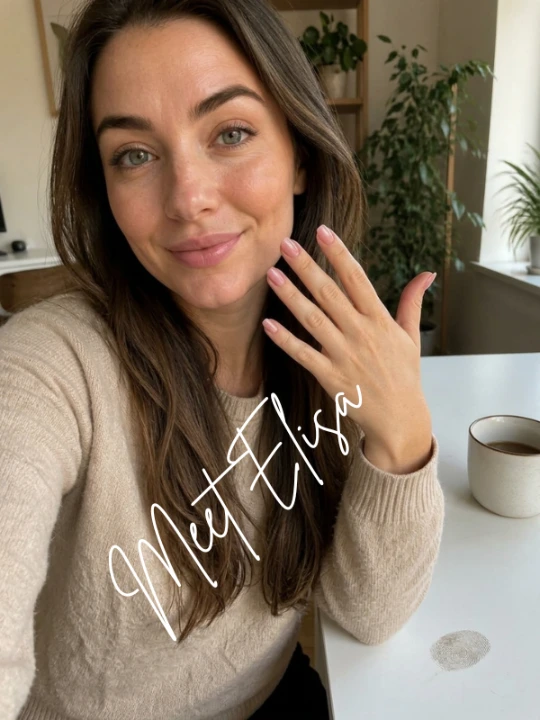

Choosing a nail design is not always about picking your favorite color. Sometimes, it’s about deciding how much of your natural nail you want to show. That’s where negative space and full-coverage nail art come in.
Both styles offer plenty of room for creativity, but they create very different looks. Negative-space nail art leaves selected areas of the natural nail visible, creating an airy and modern appearance.
Full-coverage nail art, on the other hand, covers the nail plate with color, patterns, or decorative details for a more complete and expressive finish.
So, which one should you choose?
Whether you love understated manicures or enjoy colorful nail designs, understanding the differences can help you find a style that feels right for your personality and everyday routine.
Let’s compare both approaches and explore some beautiful ways to wear them.
What Is Negative Space Nail Art?
Negative Space vs
Full Coverage
Two beautiful nail aesthetics. Two different ways to express your personal style. Which one feels more like you?
Find Your Perfect Match
01. Your Personal Aesthetic
Love an understated, effortless look? Negative space leaves parts of your natural nail visible, creating delicate patterns and a clean, modern finish. Prefer a statement? Full coverage delivers rich color and eye-catching designs.
02. Design Possibilities
Negative space works beautifully with geometric lines, French tips, and abstract details. Full coverage opens the door to glitter, gradients, intricate patterns, and bold color combinations.
03. Maintenance & Regrowth
Visible natural nail can make regrowth less noticeable in some negative-space designs. Full-coverage manicures may show a more obvious gap as nails grow, depending on the color and application. Both styles need proper nail care.
04. Choose What Feels Like You
Choose negative space if you enjoy subtle elegance, versatile everyday looks, and minimalist details. Choose full coverage if you love vibrant shades, dramatic finishes, and creative nail statements.
There Is No Wrong Choice ✨
Your nails are a canvas for self-expression. Whether you prefer barely-there elegance or head-turning color, the best manicure is the one that makes you feel confident and comfortable.
Negative-space nail art is a design technique that intentionally leaves portions of the natural nail visible.
Instead of covering the entire nail with polish, the design uses bare or transparent sections as part of the overall artwork.
Think of it as creating a design around the natural nail rather than completely covering it.
For example, you might have a nude or clear nail with a thin black curve, a small floral detail, or a geometric shape near the tip. The uncovered area becomes an important part of the design.
Popular Negative Space Nail Designs
Some beautiful ways to try this technique include:
- Geometric lines: Thin lines, triangles, and abstract shapes that leave parts of the nail uncovered.
- Negative-space French tips: Traditional French-inspired designs with transparent sections and creative tip shapes.
- Minimalist dots: Small dots or tiny decorative details placed over a natural-looking base.
- Abstract curves: Flowing lines that create an artistic appearance without covering the entire nail.
- Half-moon designs: A visible natural section near the cuticle paired with color on the remaining nail.
- Floral accents: Small flowers positioned around uncovered areas for a delicate finish.
These designs can look particularly beautiful when paired with nude, sheer pink, milky, or clear polish.
What Is Full Coverage Nail Art?
Full-coverage nail art covers the visible nail plate with polish, color, or decorative artwork.
Unlike negative-space designs, the natural nail is not intentionally used as an exposed part of the composition.
This doesn’t mean every full-coverage manicure needs to be a single solid color. You can combine multiple shades, patterns, glitter, and intricate artwork while still covering the nail surface.
Full coverage is a versatile approach for anyone who enjoys making their manicure a noticeable part of their overall look.
Popular Full Coverage Nail Designs
Here are some popular ways to explore this style:
- Solid-color manicures: One consistent shade across all nails, such as red, burgundy, nude, or pastel pink.
- Ombre nails: Two or more colors blended together for a gradual transition.
- Glitter nails: Sparkling finishes that cover the nail surface.
- Chrome nails: Reflective metallic finishes for a striking appearance.
- Floral nail art: Detailed flowers and decorative patterns across the nail.
- Colorful abstract designs: Multiple colors combined into expressive artwork.
Full-coverage nail art offers plenty of opportunities to experiment with color combinations and detailed designs.
Negative Space vs Full Coverage Nails: Key Differences
Both techniques can create beautiful manicures, but their visual effects and design approaches are different.
| Feature | Negative Space Nail Art | Full Coverage Nail Art |
|---|---|---|
| Overall appearance | Airy and minimalist | Complete and expressive |
| Natural nail visibility | Intentional exposed sections | Usually covered |
| Color usage | Often selective | Can cover the entire nail |
| Design approach | Uses empty space creatively | Uses color and artwork across the nail |
| Visual effect | Subtle and modern | Bold or polished |
| Beginner suitability | Simple versions are beginner-friendly | Solid colors are beginner-friendly |
| Design flexibility | Lines, shapes, and transparent sections | Colors, patterns, glitter, and artwork |
| Visible nail growth | May be less noticeable in some designs | Can become more noticeable near the cuticle |
One important point: neither style is automatically better. The right choice depends on the appearance you prefer and how much time you want to spend creating and maintaining your manicure.
5 Reasons to Choose Negative Space Nail Art
If you enjoy understated designs with a creative twist, negative-space nail art is worth exploring.
5 Reasons to Choose
Negative Space Nail Art
Discover why leaving a little space can make your manicure look more creative, elegant, and effortlessly beautiful.
Effortlessly Chic & Modern
Negative space designs create a clean, sophisticated look without overwhelming your nails. They’re perfect for anyone who loves understated elegance.
Endless Creative Possibilities
Experiment with geometric shapes, abstract lines, delicate curves, and colorful accents. The bare nail becomes part of the design.
Perfect for Every Occasion
From everyday outfits to weddings and special events, these versatile designs offer a beautiful balance of subtlety and style.
Graceful Nail Growth
Because parts of your natural nail remain visible, regrowth can appear less noticeable than with a fully painted manicure.
Light, Minimal & Timeless
Using less polish-covered surface creates a lightweight visual effect and lets your natural nail shine through in a beautifully refined way.
1. It Creates a Minimalist Appearance
Negative-space designs use uncovered areas to keep the overall manicure visually light. A few carefully placed lines or shapes can create an interesting design without filling every part of the nail.
This is ideal if you prefer simple nail art over heavily decorated manicures.
2. It Works Beautifully With Nude and Sheer Shades
Clear, nude, and sheer pink finishes complement negative-space designs particularly well.
You can add delicate black lines, white curves, or tiny metallic details without losing the natural-looking appearance.
3. It Offers Creative Design Possibilities
Negative space doesn’t mean boring or plain.
You can experiment with asymmetrical French tips, abstract shapes, tiny hearts, geometric patterns, and colorful outlines.
The exposed nail becomes part of the artwork, giving even simple designs an interesting finish.
4. It Can Be Adapted to Short Nails
You don’t need long nails to enjoy this technique.
Small dots, thin vertical lines, simple curves, and miniature geometric shapes can look lovely on short nails.
The key is choosing details that fit the available nail surface rather than trying to squeeze too many elements into a small space.
5. It Can Make Regrowth Less Obvious in Some Designs
Because certain negative-space manicures already feature visible natural nail near the cuticle, new growth may blend into the original design.
However, this depends on where the polish is placed. A design with a fully painted area near the cuticle can still show a noticeable growth line.
5 Reasons to Choose Full Coverage Nail Art
Prefer colorful, expressive manicures? Full-coverage nail art offers a different kind of creative freedom.
5 Reasons to Choose Full Coverage Nail Art
Discover how a beautifully covered nail transforms your manicure into a polished, expressive beauty statement.
1. Complete Nail Coverage
Cover the entire nail surface for a seamless, uniform appearance with fewer visible bare areas.
2. A Polished, Refined Look
Full coverage creates a smooth, finished look that makes your manicure feel elegant and intentional.
3. More Creative Freedom
Enjoy more room for colors, patterns, textures, and intricate designs across the nail.
4. Greater Visual Impact
Bold colors and detailed artwork become more noticeable, creating a beautiful statement manicure.
5. A Cohesive Manicure Finish
Bring your nail design together with a consistent, coordinated appearance across every nail.
1. It Makes Colors Stand Out
If you love rich colors, full coverage gives you plenty of room to enjoy them.
Deep red, chocolate brown, emerald green, navy blue, and pastel shades can create beautiful results across the entire nail.
2. It Provides Room for Detailed Artwork
Full-coverage designs can accommodate intricate patterns and decorative elements.
Think floral illustrations, colorful swirls, animal prints, glitter gradients, and detailed seasonal artwork.
3. It Offers a More Complete Color Finish
Some people simply prefer the appearance of a fully painted nail.
A consistent color across all ten nails can create a coordinated and polished manicure, whether you choose a soft neutral or a bold shade.
4. It Works With Many Nail Shapes
Full-coverage nail art can be adapted to short, square, almond, oval, and coffin-shaped nails.
You can choose a design that complements your nail length and shape without needing to follow a particular trend.
5. It Is Easy to Personalize
You can combine different colors, patterns, and finishes to create a manicure that reflects your personal style.
For example, use a different color on each nail, create a matching floral pattern, or combine matte and glossy finishes.
Which Nail Art Style Is Better for Short Nails?
Both styles can look attractive on short nails. However, the best option depends on the design and how you want your manicure to look.
Negative-space nail art is a lovely choice if you enjoy delicate details. Thin vertical lines, small geometric shapes, and minimalist French tips can complement shorter nail lengths.
Full-coverage nail art is equally suitable. A single rich color, tiny floral patterns, or carefully arranged color combinations can look beautiful on short nails.
Our suggestion: If you prefer a subtle appearance, start with negative-space designs. If you enjoy colorful manicures, try a simple full-coverage design.
Don’t feel limited by nail length. Good proportions and a well-chosen design matter more than following a particular technique.
Which Style Is Easier for Beginners?
The answer depends on how complicated the design is.
A simple full-coverage manicure using one nail polish color is usually easier to create because it doesn’t require precise shapes or carefully placed transparent sections.
However, basic negative-space designs can also be beginner-friendly.
For example, you can start with a clear or sheer base and add a few small dots or simple lines using a fine nail-art brush or dotting tool.
Here is a simple comparison:
For negative-space beginners:
- Start with one or two simple shapes.
- Use a sheer or clear base.
- Avoid complicated patterns initially.
- Keep the design consistent across the nails.
For full-coverage beginners:
- Begin with one solid polish shade.
- Apply thin, even coats.
- Allow each coat to dry according to the product instructions.
- Finish with a suitable top coat.
If you’re completely new to nail art, a solid-color manicure is a good starting point. Once you’re comfortable applying polish, you can experiment with more detailed designs.
Which Style Is Easier to Maintain?
Maintenance depends more on the polish, application method, nail growth, and everyday activities than on whether the design is negative space or full coverage.
However, there are a few practical differences worth considering.
Negative Space Maintenance
Some negative-space designs can disguise new growth, particularly when the natural nail is intentionally visible near the cuticle.
Small chips may also be less visually obvious in designs where polish covers only selected areas.
However, exposed nail sections can show stains or discoloration more clearly, especially if the natural nail is not in good condition.
Full Coverage Maintenance
Full-coverage manicures can show chips more noticeably, especially with dark or highly contrasting shades.
As the nail grows, the natural nail may become visible between the cuticle and the polished area.
On the other hand, a simple solid-color manicure can be relatively straightforward to touch up or recreate.
The practical takeaway: Don’t choose a style solely because you expect it to last longer. Regular nail care, careful application, and your choice of products all influence how your manicure looks over time.
Can You Combine Negative Space and Full Coverage Nail Art?
Absolutely! You don’t have to choose only one technique.
Combining both approaches is a great way to create a manicure that feels creative without becoming visually overwhelming.
Here are five ideas worth trying:
1. Negative Space French Tips
Keep the main nail surface natural-looking and add a colorful or white French-inspired tip.
2. Half-Coverage Geometric Nails
Use a bold color on one side of the nail while leaving the other side transparent or natural-looking.
3. Floral Negative Space Designs
Add small flowers over selected areas while leaving the surrounding nail uncovered.
4. Colorful Abstract Lines
Start with a sheer base and create colorful curves or irregular shapes across the nail.
5. Alternating Nail Designs
Use full-coverage polish on some nails and negative-space patterns on others.
This combination is particularly useful if you enjoy experimenting with different nail-art styles without committing to one look.
Practical Tips for Choosing Your Nail Art Style
Before deciding between negative space and full coverage, consider these simple questions:
- What appearance do you prefer? Choose negative space for a minimalist look or full coverage for a more colorful finish.
- How much time do you have? A simple solid-color manicure may be easier than creating detailed negative-space patterns.
- What is your nail length? Both approaches work on short and long nails, so focus on choosing appropriately sized designs.
- What colors do you enjoy? Sheer and nude shades complement many negative-space designs, while full coverage allows you to explore richer color combinations.
- What is your everyday routine? Think about how frequently you want to touch up or change your manicure.
For healthier nail-care habits, moisturize your nails and surrounding skin, avoid picking off polish, and give your nails breaks when needed. The American Academy of Dermatology also recommends moisturizing after polish removal and avoiding aggressive cuticle cutting.
Remember that the design technique itself doesn’t determine nail health. Application, removal, and the products used are important considerations.
Frequently Asked Questions
1. What is the difference between negative space and full coverage nails?
Negative-space nail art intentionally leaves portions of the natural nail visible, while full-coverage nail art covers the nail plate with polish, colors, or decorative artwork.
2. Are negative-space nails good for short nails?
Yes! Simple geometric shapes, delicate lines, tiny dots, and minimalist French tips can look beautiful on short nails. Choose designs that fit the available nail surface.
3. Is negative-space nail art easier to maintain?
Some negative-space designs can make nail growth less noticeable, depending on where the polish is placed. However, maintenance also depends on application quality, polish type, and everyday activities.
4. Can beginners create negative-space nail designs at home?
Yes. Beginners can start with a clear or sheer base and add simple dots, lines, or geometric shapes. A fine nail-art brush or dotting tool can help create these details.
5. Can negative-space and full-coverage nail art be combined?
Definitely! You can use bold colors on selected sections while leaving other areas natural-looking. French tips, abstract designs, and alternating nail patterns are easy ways to combine both approaches.
Final Thoughts
When comparing negative space vs full coverage nails, there isn’t one universal winner. Both techniques offer beautiful possibilities, and each suits a different approach to personal style.
Negative-space nail art is an excellent choice if you love minimalist details, natural-looking finishes, and modern designs. Full-coverage nail art is ideal if you enjoy rich colors, detailed patterns, and a more complete painted appearance.
You can also combine both approaches to create something unique.
Ultimately, choose the technique that makes you feel comfortable and confident. Nail art should be an enjoyable way to express your personality, not a set of rules you have to follow.