
Standing at the nail salon trying to decide between square and squoval is one of those choices that feels bigger than it should be.
Both shapes are trending right now, and most techs will just say “whatever you like” — not exactly helpful when you’re staring at your own nail beds. After filing hundreds of sets both ways, there’s one detail about your natural nail width that actually flips the right answer for a lot of people — and it has nothing to do with trends.
We’re comparing square vs squoval nails across six specific factors, so you leave with a real verdict, not just two more options.
Jump to what you need:
Overall Winner
Squoval
Best for Chip Resistance
Square
Easiest to Maintain
Squoval
But the reason why matters more than the ranking — especially the one factor that can flip this for shorter nails. Full breakdown below.
Square Nails at a Glance
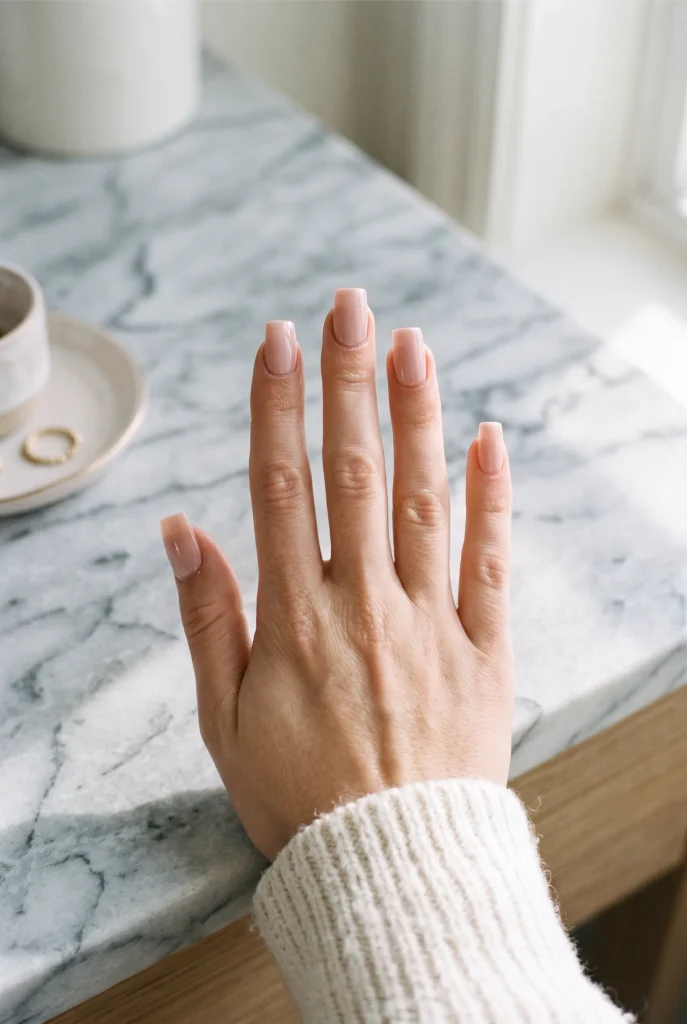
Square nails are filed completely flat across the top with two sharp, defined corners — no rounding at all.
The look reads structured and a little edgy, which is why it’s stayed popular for almost a decade despite nail trends cycling fast. It needs a nail bed on the longer side to look intentional rather than boxy.
Squoval Nails at a Glance

Squoval takes that same flat top but softens the corners just enough to remove the sharp edge — square shape, oval finish.
It’s the shape most nail techs default to when a client says “I don’t know, something in between.”
That softness is exactly what makes it forgiving on shorter or narrower nail beds.
Overall Look & Style
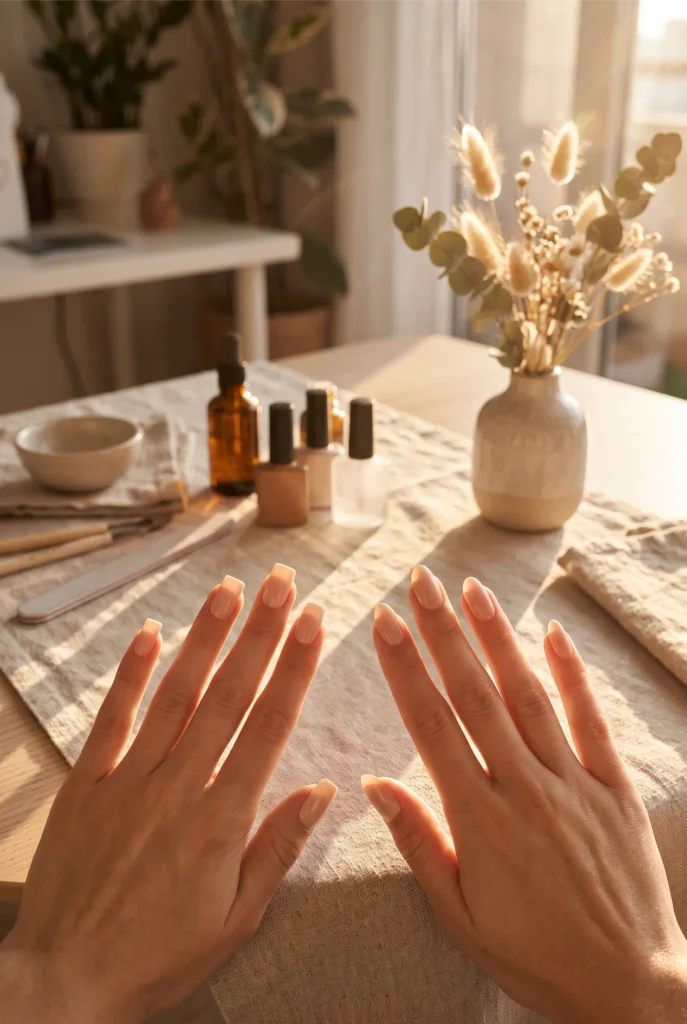
Square reads structured and modern — think geometric, a little architectural.
It photographs sharp but can look almost blocky on narrower nail beds where there isn’t enough width to fill out the corners.
Squoval softens that same base shape into something that flatters nearly every hand shape, which is why most nail techs default to it when a client can’t decide.
Squoval wins this one for versatility, though square still holds its own on wider nail beds where the geometry actually works in its favor.
Nail Strength & Chip Resistance

Here’s where the math flips. A sharp 90-degree corner, like square has, is structurally the strongest point on the nail — there’s more surface area holding it together.
Square wins chip resistance, especially if you’re hands-on all day: typing, dishes, gym sessions.
Squoval’s rounded corner looks softer but is actually the first spot to catch and chip on impact, particularly within the first 3 to 4 days after a fresh set.
Maintenance & Filing Frequency

Square nails grow out and need re-filing roughly every 10 to 12 days to keep those corners crisp — growth softens the edge faster than people expect.
Squoval is more forgiving here: because there’s no sharp corner to maintain, you can stretch to 7 to 9 days before it starts looking rough, though ironically it grows out looking messier sooner since the shape shift is more visible.
Squoval wins on lower-maintenance styling, but square wins if “maintenance” means fewer trips to reshape a chip. Which one matters more depends entirely on what you’re doing with your hands all day — and that’s exactly what the next section breaks down.
Best For Nail Length & Finger Shape
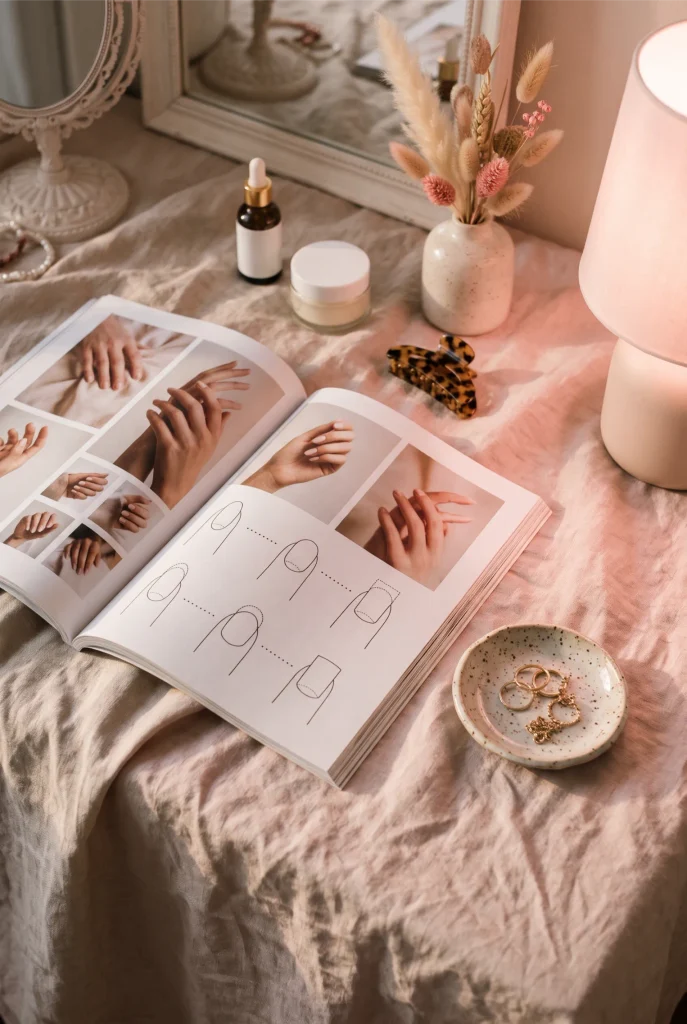
Wondering if your nail beds are even the right shape for this debate? Square nails need at least ¼ inch of length past the fingertip to look intentional — on short or narrow beds, those sharp corners just read boxy instead of sleek.
Squoval works on nearly any length because the rounded corner hides width imperfections instead of exaggerating them.
If your nails are short or your fingers run narrow, squoval wins here — square only pulls ahead once you’ve got real length to work with.
Ease of DIY Filing

Filing square corners by hand is unforgiving — one wrong-angle stroke and the corner turns lopsided instead of crisp.
Squoval only asks for a steady rounding motion, which is far easier to control with a basic emery board.
Squoval wins on DIY ease, especially if this is your first time shaping your own nails at home.
Heads Up
Filing past a corner even once rounds it permanently — there’s no filing it back sharp. Going for square? File the corners last, in short strokes, and check both hands at the same angle before you commit to the final pass.
Everyday Practicality

Picture a full day: typing, unloading groceries, digging through a bag for your keys.
Square corners catch on fabric and bag linings more than people expect, especially during the first week after a fresh file when edges are still sharp.
Squoval’s rounded corner glides past most of that friction, making it the more practical pick if your hands stay busy all day.
Squoval wins everyday practicality, though square’s flat top still edges it out for typing accuracy on a keyboard.
Square Nails
Pros
- Stronger corners, better chip resistance
- Structured, modern look
- Flatters wider, longer nail beds
Cons
- Needs real length to avoid looking boxy
- Harder to file evenly at home
- Catches on fabric more often
Squoval Nails
Pros
- Flatters nearly every nail bed
- Easier to file yourself
- Fewer snags in daily life
Cons
- Corners chip slightly easier on impact
- Grows out looking uneven sooner
- Less bold than a true square edge
Choose This If
Choose Square if: your nail beds are on the longer side, you’re hands-on with impact all day and want the corners to hold up, or you want a bolder, more structured look.
Choose Squoval if: your nails are short to medium, you’re filing them yourself for the first time, or you want a shape that needs less upkeep between fills.
FAQ
Can I switch from square to squoval without cutting my nails short?
Yes — just round off the corners with a few short filing strokes. No length is lost, only the sharp edge.
Which shape lasts longer on gel or acrylic?
Square typically holds its shape a couple of days longer since there’s no rounded edge to gradually blur as the nail grows.
Is squoval considered more “professional” than square?
Neither is inherently more professional — squoval just reads softer, so it’s often the safer pick in conservative workplaces.
Do short nails ever work with a true square shape?
They can, but the corners need to be filed very precisely — most short-nail beds look cleaner in squoval.
Final Verdict: Square vs Squoval Nails
Overall winner: Squoval — more forgiving on nail length, easier to file yourself, and lower everyday maintenance.
Pick Square if: your nail beds are long, your hands take a beating daily, or you want a bolder, more structured look.
Pick Squoval if: you’re filing your own nails for the first time, your nails are short to medium, or you want less upkeep between fills.
Conclusion
Neither shape is objectively “better” — it really comes down to what your nail beds and your daily routine can handle, and now you’ve got the specifics instead of a coin flip.
If you’re short on length or filing at home for the first time, squoval will treat you kinder.
If your nails have the length and you want something with a sharper edge, square still earns its place.
Either way, you’re walking into your next fill knowing exactly which shape to ask for.
Pin this square vs squoval nails breakdown so it’s ready when you need it.